Inside Chanel’s open-sky labs around the world, where precious skincare ingredients are harvested
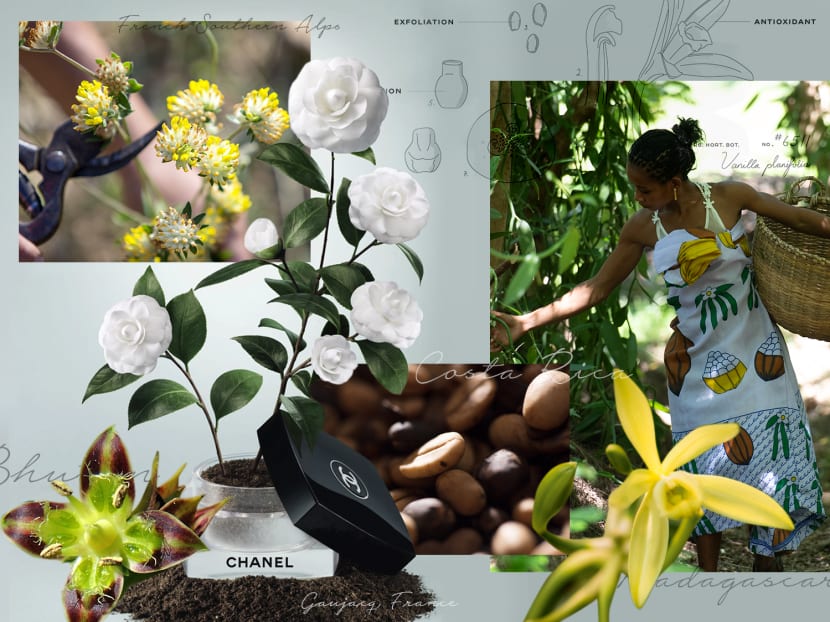
For Chanel Beauty, everything begins in nature. From the fragrant fields of Madagascar to the serene valleys of Bhutan, these are where the house harnesses the powers of botanicals for its skincare lines.
In partnership with Chanel.
(Art: Chern Ling)

This audio is generated by an AI tool.


If you’ve ever indulged in a decadent bottle of Chanel skincare, you would have experienced for yourself the powerful benefits of its key active ingredients – from vanilla planifolia's anti-ageing prowess in the luxurious Sublimage line, to the revitalising properties of the red camellia in the N°1 range.
Did you know that Chanel cultivates and conserves its own supply of the finest plants, from which its active ingredients are made?
Everything begins at Chanel’s pioneering open-sky laboratories, located in different climatic zones around the world. Unlike traditional laboratories confined within walls, “open-sky labs” refer to Chanel’s outdoor fields in nature, where the house explores and harnesses the powers of botanicals.
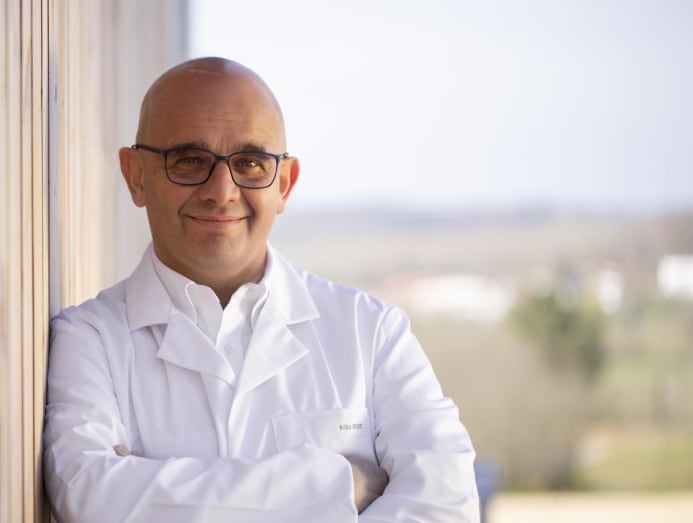
Dubbed the birthplace of Chanel skincare, “the open sky laboratories are Chanel Research’s privileged biodiversity exploration territories for the creation of its cosmetic ingredients. They are experimental fields for plant production as well as social and environmental innovation,” said Nicola Fuzzati, Chanel’s director of innovation and development for cosmetic ingredients.
Chanel currently has five open-sky labs around the world, ranging from the fragrant vanilla fields of Madagascar to the serene valleys of Bhutan.
MADAGASCAR
It all began with vanilla, when in 2002, the first Chanel open-sky lab was inaugurated on the island of Madagascar. Here, vanilla planifolia, a type of vanilla rich in anti-oxidant molecules, is extracted for the Sublimage range of beauty treatments.
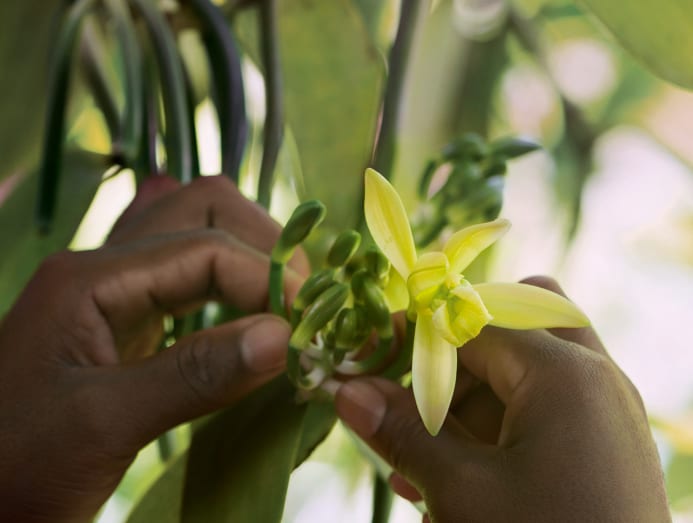
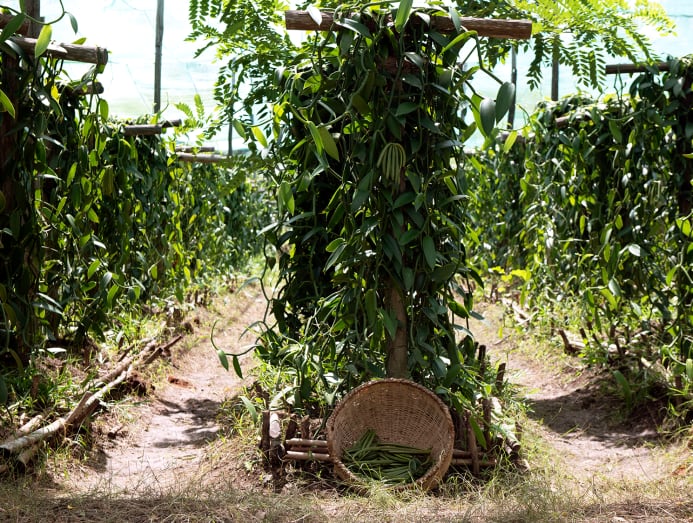
Vanilla planifolia has a short-lived bloom of just 24 hours before it wilts. The pods, which are the result of pollination, are plucked by hand during this short window of time, where the actives are at their most potent.
To bring the plants to their full potential, Chanel has developed its own original extraction and separation techniques. “Chanel is performing both the research and the production of its own active ingredients, which is quite unique in the cosmetics field,” commented Fuzzati.
The vanilla pods undergo a meticulous polyfractioning process to achieve enriched vanilla planifolia PFA – one of the primary active ingredients in Sublimage. Polyfractioned vanilla planifolia has both protective and rejuvenating benefits, and, according to Chanel, increases cell regeneration.
FRENCH SOUTHERN ALPS
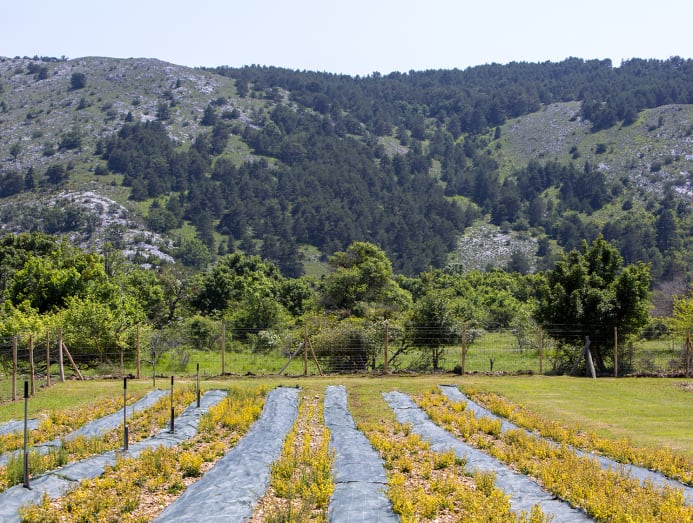
In 2010, Chanel implemented a research programme in the French Southern Alps, a biodiversity hub rich with plants used in traditional French medicine. Five hundred plants and 60 botanical extracts were tested by Chanel Research, leading to the cultivation of two active ingredients present in Sublimage – Anthyllis extract, which improves skin’s luminosity, and solidago extract, which contains calming properties.
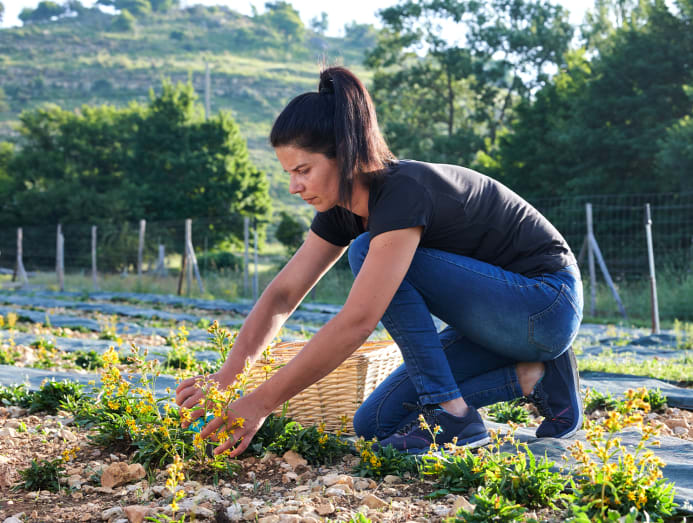
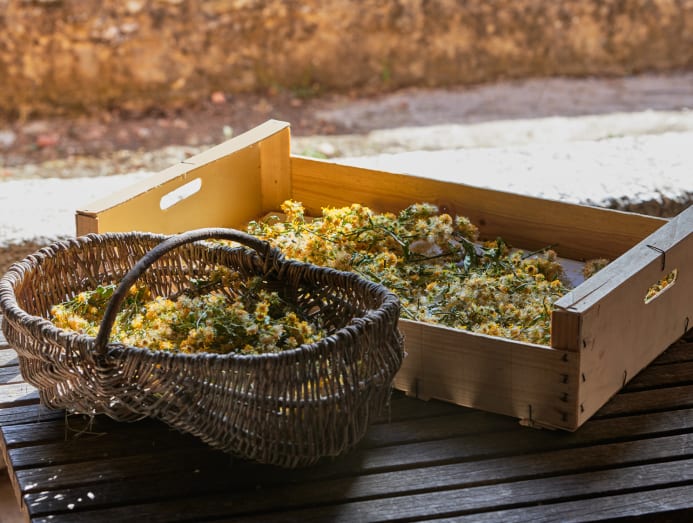
Chanel partners with a local farmer, Deborah Courron, to cultivate the plants. Weed control is done entirely by hand, and the plants are dried in the traditional way on trays. This protects the natural qualities of the plants in order to bring them to their full potential.
GAUJACQ, FRANCE
The camellia, Gabrielle Chanel’s favourite flower, is weaved into every aspect of the luxury house, including its skincare line. This emblematic flower of the house is harvested in southwest France, in the heart of the village of Gaujacq.
Here, Chanel’s botanical conservatory garden, launched in collaboration with camellia expert Jean Thoby, houses 2,000 varieties of camellia from all over the world, including two camellia japonica ‘Alba Plena’ mother plants. Known for their hydrating properties, they feature in the Hydra Beauty skincare line.
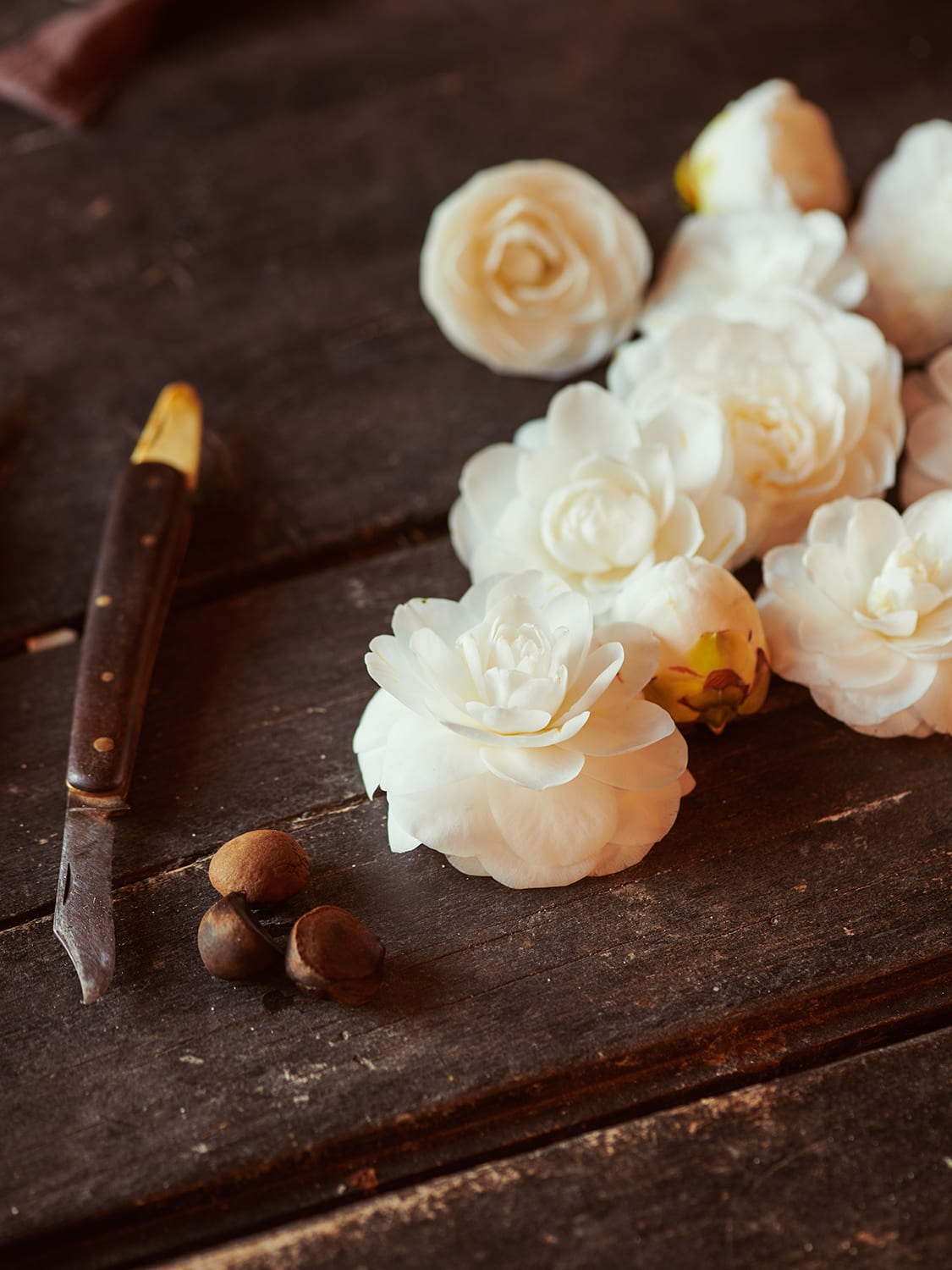
The red camellia – the star ingredient of N°1 – is also harvested in Gaujacq. This camellia variety contains revitalising properties which help to slow down the onset of senescence.
COSTA RICA
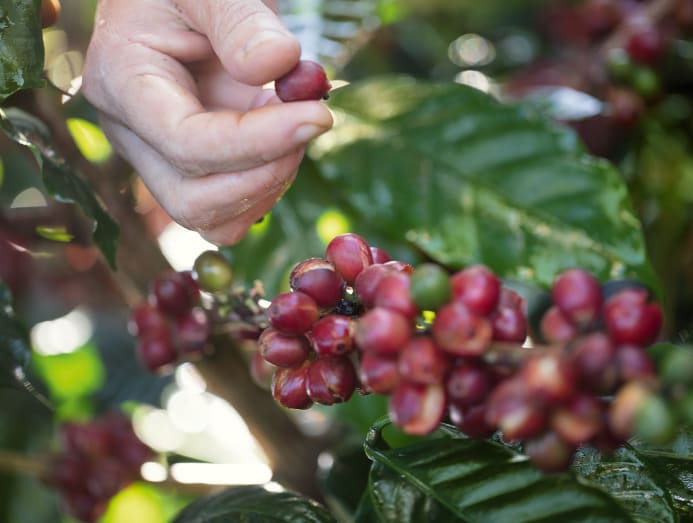
In 2013, Chanel Research uncovered the incredible properties of a coffee plant specific to Costa Rica, exceptionally rich in antioxidant molecules. Chanel works closely with a local social enterprise to cultivate the green coffee plant. Oil is extracted from its fruit, which is sun dried using a traditional method, resulting in the creation of a highly protective active ingredient.
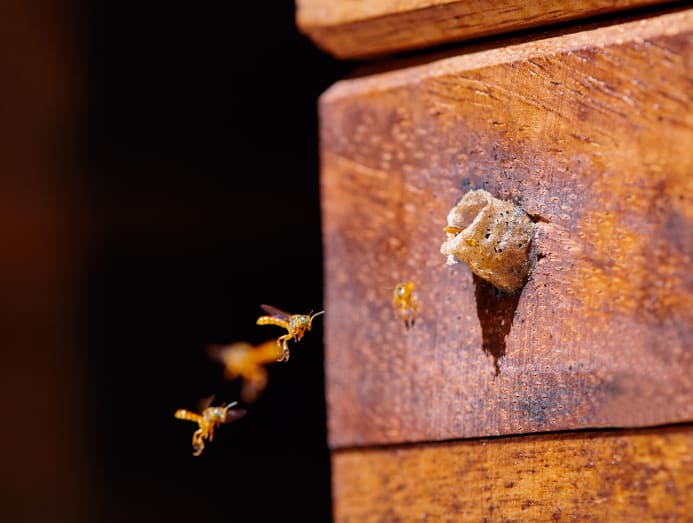
Melipona bees, one of the smallest bee species in the world, are also native to Costa Rica. They create a rare and precious honey and Chanel harvests the surplus of this nectar once a year in spring, only in extremely small quantities, without destroying the hives. This rare honey lies at the heart of the Le Lift Pro formulas, helping to plump the skin and smooth the appearance of wrinkles.
BHUTAN
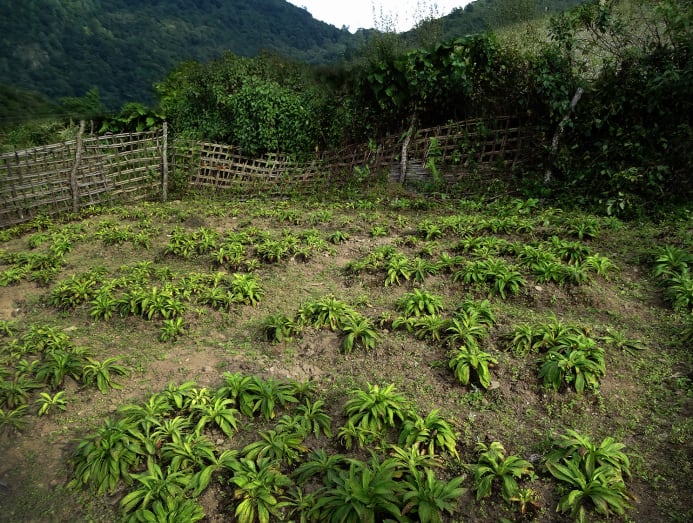
In the eastern Himalayas of Bhutan, swertia, a botanical jewel with exceptional repairing properties, is hand harvested. So rare is the Himalayan swertia that it blooms only once every three years. In the recently reformulated Sublimage L’Extrait de Nuit, Chanel pairs Himalayan swertia with Madagascar’s vanilla planifolia, a powerful combination that promotes cell regeneration and limits the spread of cells responsible for the signs of ageing.
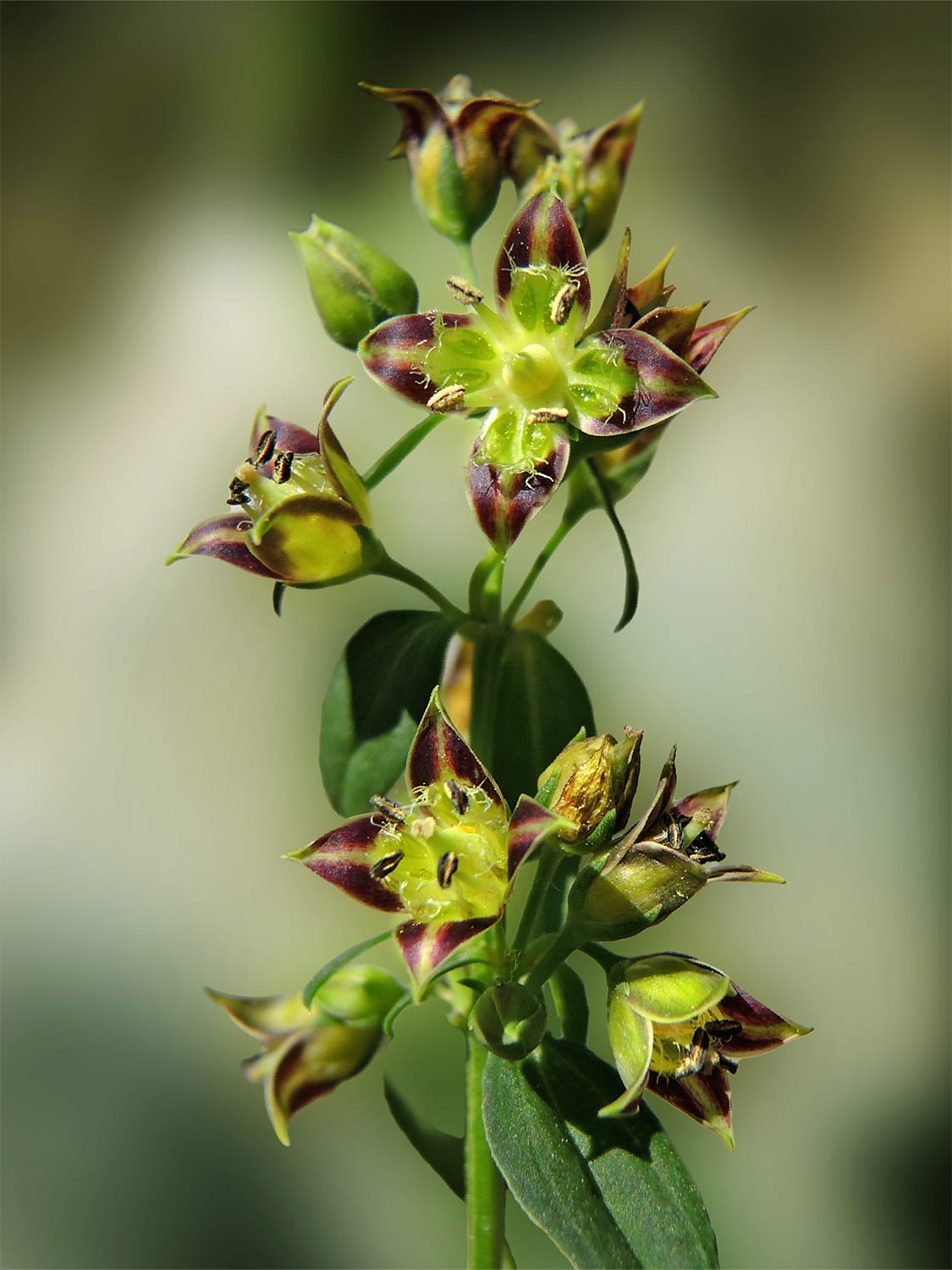
Chanel Research has identified molecules from the dried Swertia plant called “xanthones”. “Thanks to a personalised patented process with a low environmental footprint developed by our Chanel R&D team, Swertia xanthones are extracted and purified using Supercritical CO2 extraction, giving rise to active ingredients with exceptional repairing properties,” added Fuzzati.

RESPONSIBLE BEAUTY
At the heart of Chanel’s open-sky labs philosophy is a commitment to environmental and social responsibility. Guided by five foundational principles, Chanel ensures fair-trade networks with its producers, biodiversity preservation, an agroecological approach and the protection of the intangible heritage linked to plants.
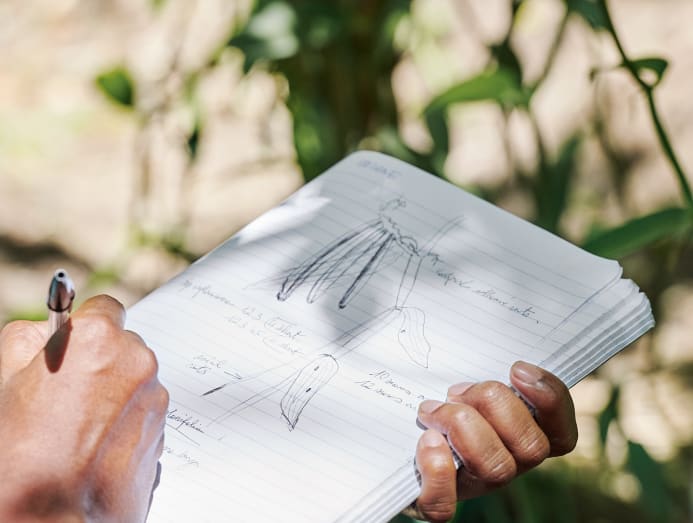
“Respect for nature, when it comes to sourcing ingredients, is embodied in a concrete objective to preserve the land, the cradle of the plants we grow,” shared Fuzzati. “These regions have many identities: Ecological, but also social, economic and cultural. Since 2006, we have been setting up programmes dedicated to preserving this delicate balance, which is the source of our supply chains throughout the world.”
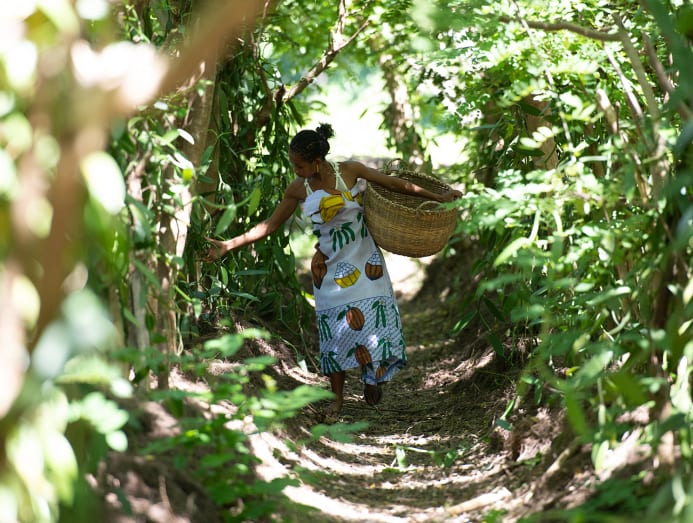
In Madagascar, the house contributes to the economic empowerment of local communities and the preservation of the country’s rich biodiversity. Vanilla planifolia is a delicate tropical plant, cared for and harvested by a group of local women, with techniques handed down through generations.
Going further, Chanel has contributed to fundamental Madagascan research by funding several theses on the endemic vanilla. It contributes to agricultural research through an agroforestry reforestation programme in the Ambanja area, with the aim to protect the soils and ecosystems in view of future climate change.
Similarly in Bhutan, "we are working with the local government to develop value chains in isolated rural communities to provide access to additional income. Additionally, we are establishing responsible harvesting practices that do not threaten natural resources and provide access to economic opportunities without the need to use arable land," said Fuzzati.
Swertia is currently cultivated by a group of 68 local farmers. “This is a sustainable value chain on the agricultural point of view, in socio-economic terms guaranteeing a livelihood for isolated rural families and a low footprint asset production for a restorative performance,” Fuzzati added.
Fuzzati described the open-sky labs as “true cradles of Chanel skincare”. “They are the result of an exemplary social and environmental approach that promotes the value of the terroirs through a virtuous agro-ecological approach, combining traditional cultivation practices and scientific innovation."