Luxury brands ease off on price rises as shoppers push back
Price of luxury goods has increased at slowest pace since 2019 as the industry battles a longer than expected downturn.
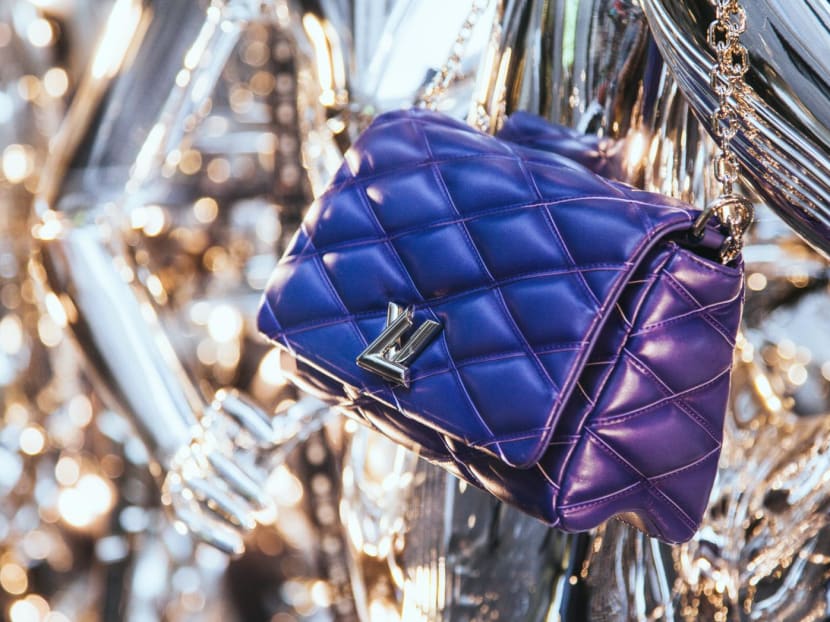
(Photo: iStock)
Top luxury brands have increased prices at the slowest pace since 2019 this year as the industry adapts to a longer-than-expected downturn and wealthy consumers push back after years of rampant rises.
The cost of luxury goods rose by an average of 3 per cent between January and May 2025, according to data from UBS. That period captures the vast majority of annual price increases, which brands typically implement in the first quarter as budgets are set.
The figure compares with a recent high of 8 per cent in 2022.
Brands from Louis Vuitton to Chanel pushed prices up significantly between 2019 and 2023 to capitalise on buoyant demand for high-end handbags, clothes and jewellery.
But wealthy clients are pushing back and many luxury goods have become unaffordable for some of the more “aspirational” luxury consumers that drove the pandemic-era boom.
The increases herald a possible return to more normalised pre-pandemic levels of price inflation of between 1 and 2 per cent.
Claudia D’Arpizio, global head of fashion and luxury at Bain, said slowing price rises marked a “clear strategic pivot”.
“Luxury brands are responding to intensifying consumer price fatigue, persistent macroeconomic headwinds and a perceptible softening in consumer enthusiasm,” she said.
“A more measured approach to pricing reflects an effort to defend volume while building resilience against looming risks, such as potential tariff shocks,” she added.
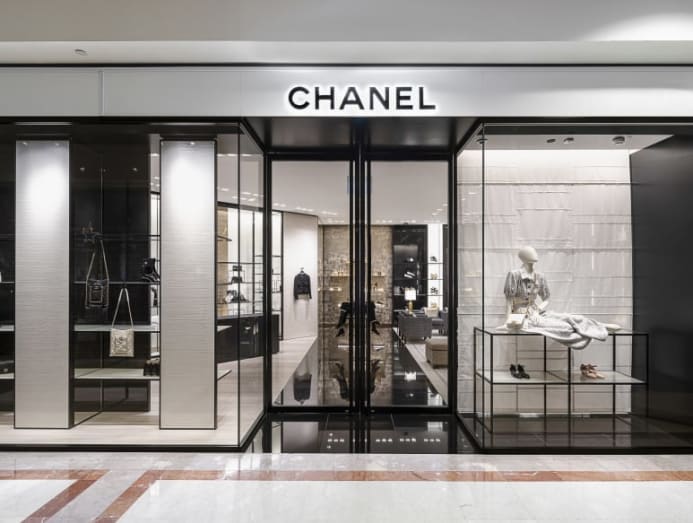
Second-quarter earnings season kicks off this week with the threat of US tariffs and multiple conflicts dashing hopes of a swift recovery for the luxury industry.
Sector bellwether LVMH is expected to report another decline in quarterly sales as momentum stalls at crucial brands, such as Louis Vuitton and Dior.
One luxury executive said many clients were favouring smaller, more “fashion forward” labels over big luxury names whose products had become both expensive and pervasive.
Price increases drove 80 per cent of industry sales growth between 2019 and 2023, according to McKinsey, with higher volumes only contributing 20 per cent.
Some notable rises include Louis Vuitton Speedy bags, which start at €1,650 (US$1,943; S$2,480) after doubling in price since 2019. A large Chanel flap bag, which retails at €11,100, has become more than 80 per cent more expensive over the same period. Some of the increases prompted a backlash from clients on social media.
“Just because top-tier clients can afford it doesn’t mean they don’t notice higher prices,” said the luxury executive. “Nobody wants to feel like they are being taken advantage of.”
Citi analyst Thomas Chauvet foresees multiyear “catch-up opportunities” for brands that had not raised prices so aggressively in the boom times, such as Hermes and Richemont’s jewellery brands Cartier, Buccellati and Van Cleef & Arpels.
That could prove to be an advantage if the US introduces sizeable tariffs on imports from the EU and Switzerland. The levies are set at a baseline of 10 per cent but could rise if negotiations break down.
Hermes, for instance, increased prices in May after saying it would offset the cost of additional US tariffs through price rises. Chauvet noted that other luxury companies, including Gucci and Bvlgari, have taken similar steps in the US.
LVMH is expected to report a 3 per cent decline in group organic sales in the second quarter, according to Visible Alpha consensus estimates. Sales at its dominant fashion and leather goods division — which houses top brands Louis Vuitton and Dior — are expected to have fallen by 6 per cent as geopolitical tensions eat into demand from wealthy clients.
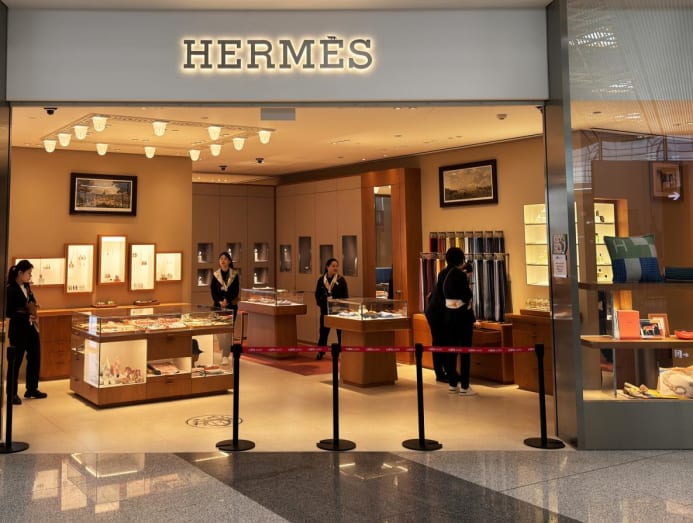
Organic growth at Kering is forecast to have declined by 13 per cent, driven by the ongoing struggles of Gucci. Analysts estimate sales at Kering’s pivotal brand to have slumped by 25 per cent ahead of the arrival of new chief executive Luca de Meo in September.
But some luxury groups are riding out the storm with comparative ease. Richemont already surprised on the upside by reporting its third consecutive quarter of double digit organic sales growth last week, driven by its jewellery brands.
Sales at Hermes, the world’s most valuable luxury goods company, are expected to have risen by 10 per cent in the quarter. The brand supports demand by tightly controlling supply of its products and catering largely to the wealthiest clients.
Analysts at HSBC predict that the second quarter will probably be the trough of the cycle for LVMH, an early signal that the industry could start to see some improvement.
But most luxury analysts have slashed their outlooks for 2025, pushing out expectations for a sector recovery into the second half of 2026 at the earliest.
Adrienne Klasa © 2025 The Financial Times.
This article originally appeared in The Financial Times.