A Japanese beer icon gets an update and it’s now delicate enough to pair with refined dishes
Asahi has changed the recipe for its flagship Super Dry, promoting the new version as a better food pairing beer. CNA Luxury visits the beermaker’s brewery in Japan to find out more.

Asahi believes the new Super Dry works better as a food pairing beer. (Photo: Asahi)


After 36 years, Japanese beverage maker Asahi has updated the recipe for its Asahi Super Dry beer. First launched in Japan in 1987, Super Dry, with its crisp, dry profile, was a huge success, turning the lager into Asahi’s flagship product.
Breweries changing their recipes isn’t something new. Many beer producers change their recipes every once in a while, oftentimes with hardly an announcement to consumers. Recipe changes tend to fall into two types: One is done out of necessity, for example, when the quality of a batch of ingredients is inconsistent and the brewer has to adjust the brewing process to achieve the beer’s signature flavour. The other is when the recipe is tweaked to change the beer’s taste, a difference that is usually discernible among regular drinkers of the beverage. Asahi’s updated Super Dry falls into the latter category.
CNA Luxury was invited by Asahi to visit their state-of-the-art brewery in Ibaraki Prefecture’s Moriya City and taste the new Super Dry. Asahi executives call the new beer “Asahi Super Dry 2.0”, though this is an unofficial name that won’t be shown on the product label. The beer’s packaging, however, has been given a facelift — it now flaunts a shiny metallic silver tone.
“It has been 36 years since Super Dry was launched. We felt it was time to make the brand more modern,” said Yusuke Matsuhashi, manager of Asahi’s beer marketing department, adding that it took four years for the R&D team to develop the recipe for the new Super Dry, which was launched in Japan last year.
ENHANCING A CLASSIC
Asahi is aware that they are dealing with an iconic beer and any drastic change to the product’s signature taste would turn off customers who grew up with the brand.
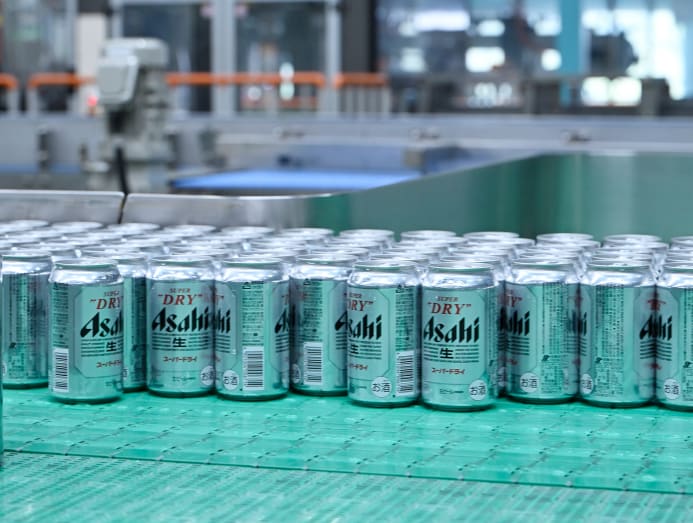
Largely responsible for creating the karakuchi or “dry” character of Super Dry when it was launched in 1987, yeast strain No. 318 — selected from more than 1,000 yeast strains from Asahi’s lab — continues to be used during fermentation. Although yeast strain No. 318 is a proprietary strain exclusive to Asahi, it’s no industry secret: Asahi views this particular yeast as a kind of lynchpin, emphasising its importance in the exhibits of the brewery’s museum.
What’s new in the Super Dry 2.0. then? The adjustment to the beer’s recipe is actually more of a tweak than a change. According to Asahi’s chief brewer Jun Kubota, the key difference between the old and the new brewing process is the timing of the addition of hops during the boiling of the wort (the liquid produced from mashing grains).
For the old recipe, the hops, which lend aromas to the beer, were added at the beginning of the boil. The new recipe sees the hops added at the start and the end of the boil. This new method, said Kubota, has helped enhance the beer’s finish, a characteristic the Asahi team describes as “quick peak and clean finish”. The “peak” refers to the rise in aromas before the finish hits your palate.

CNA Luxury found the taste of the new Super Dry to be subtly different from the original version — it’s basically still your easy-drinking Super Dry 1.0, which should please longtime drinkers of the beer. The touted enhanced finish is discernible if you are familiar with the beer; it is taut and refreshing with an effervescence that fades quickly on your palate.
Gota Iribe, regional brand advocacy manager of Asahi, said the quick and crisp aftertaste prepares your palate for the next sip or bite of your food.
Loretta Lee, Asahi’s marketing director for Asia, noted that post-pandemic, consumers are looking for something different beyond the traditional lager, and Asahi is taking this opportunity to explore and communicate the new Super Dry’s functional benefit with its enhanced finish.

MORE THAN JUST A BEER FOR YAKITORI
Asahi is promoting the new Super Dry as a food pairing beer that works beyond its typical role as a quaff to wash down oily and grilled food. Kubota said the new beer is delicate enough to match with refined dishes in kaiseki cuisine while Matsuhashi added that he enjoys pairing it with hatahata, a mild-tasting Japanese sandfish from Akita Prefecture, as well as sashimi.
“Sashimi is usually paired with dry sake,” said Matsuhashi. “But because Super Dry is a karakuchi beer inspired by dry sake, it works well with raw fish, too.”
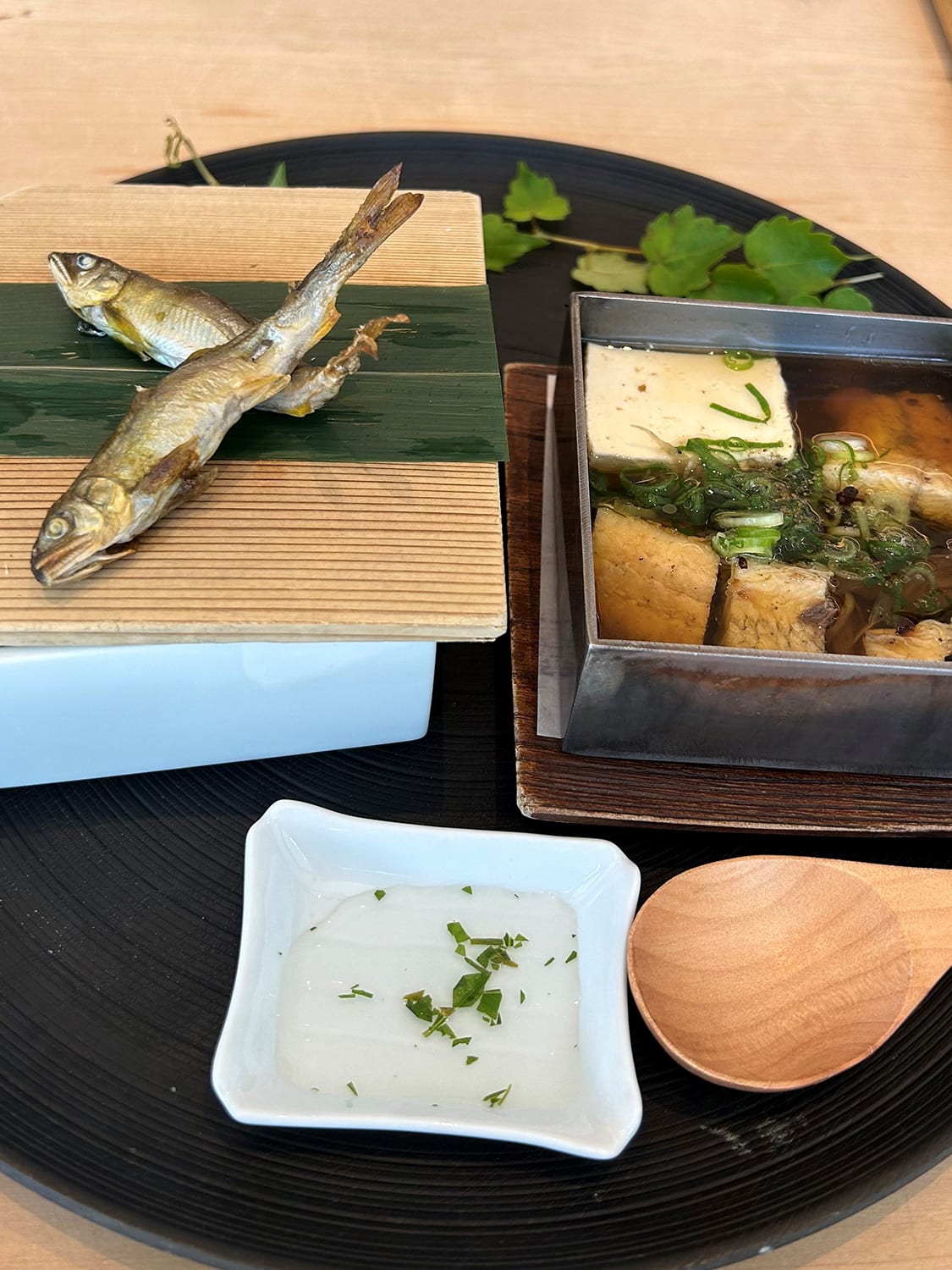
Over a lunch at the elegant Sasha Kanetanaka teahouse in Tokyo’s classy Omotesando district, we paired the new Super Dry with maguro and seabream sashimi and tender morsels of soft-boiled pike conger. The beer’s clean, wispy finish allowed the nuanced flavours of the fish to shine. It also worked well with grilled ayu (a small freshwater fish) with vinegar, the beer’s delicate malt character combining with the fish to give a delicious umami effect.
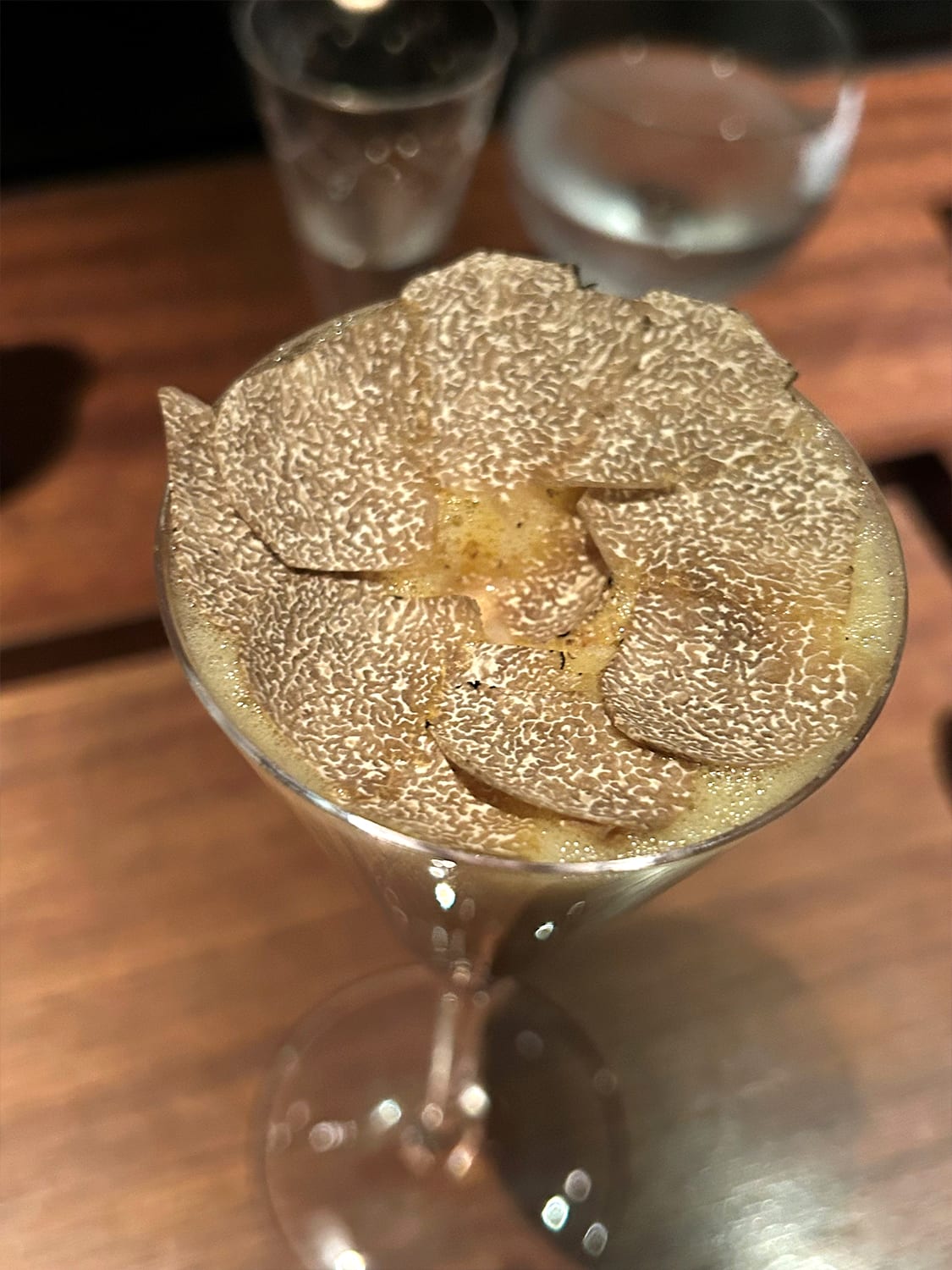
At Yamada Chikara, a kaiseki restaurant in the Minami-Azabu neighbourhood, the beer’s crisp aftertaste was an excellent match for sashimi served with a spongey soya sauce cube as well as a chawanmushi topped with black truffles.
The slightly cleaner finish of the new beer certainly made food pairing easier, but we’d avoid matching it with anything overly sweet or creamy.

There is a global trend towards lighter, refreshing beers, and Asahi’s new beer is in line with this development. Matsuhashi said the feedback from younger drinkers has been positive, with many commenting that the new beer is smoother and easier to drink.
The new recipe for Super Dry will also be applied to other Asahi beer variants, namely Nama Jokki, a can beer that mimics a draft beer by foaming when opened, and Extra Cold, a beer that is served between minus 2 degrees Celsius and 0 degrees Celsius from a special dispenser. Both products have yet to be launched in Singapore. If you are in Japan, you can easily find Nama Jokki in convenience stores and supermarkets.
The new Super Dry beer was launched in Singapore in July 2023. The product rollout for supermarkets, restaurants and bars is still ongoing and will be complete island-wide by end of October.