Hidden gems in Brussels: Rooftop bars, shrimp croquettes and fine art
Brussels, with the largest share of young citizens in the EU, offers genre-defining restaurants and mind-bending museums of fine art.
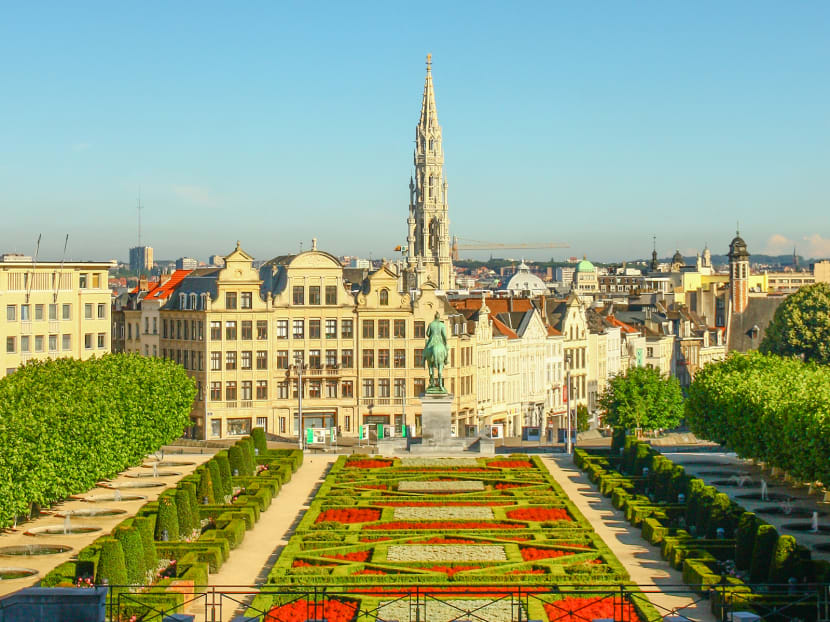
Brussels has quite an array of attractions, many of which are only a few years old, from creative cafes to intimate galleries. (Photo: iStock)
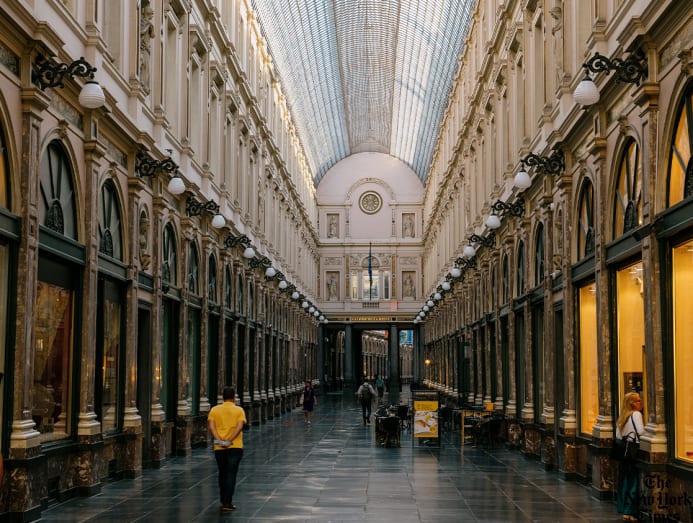
If you think of Brussels as the stuffy home of a bunch of tired diplomats, it’s time to update your priors: The party-happy Belgian capital has the largest share of young citizens in the European Union, followed by Paris and Dublin. Much like the French capital, Brussels has embarked on an ambitious pedestrianisation project, recently closing more of the streets around the historic Grand-Place — a stunning collection of Baroque guild-halls and other imposing constructions — to cars, while also expanding public transportation, making it very easy to get around. Even if you don’t speak a word of the city’s two official languages, French and Dutch, you’ll probably communicate just fine: Foreign nationals make up more than 40 per cent of the city’s population, and English is widely used. That worldliness informs the city’s array of attractions, many of which are only a few years — or even just a few months — old, from creative cafes and genre-defining restaurants to intimate galleries and mind-bending museums of fine art.
FRIDAY
4pm | Enter a world of beer
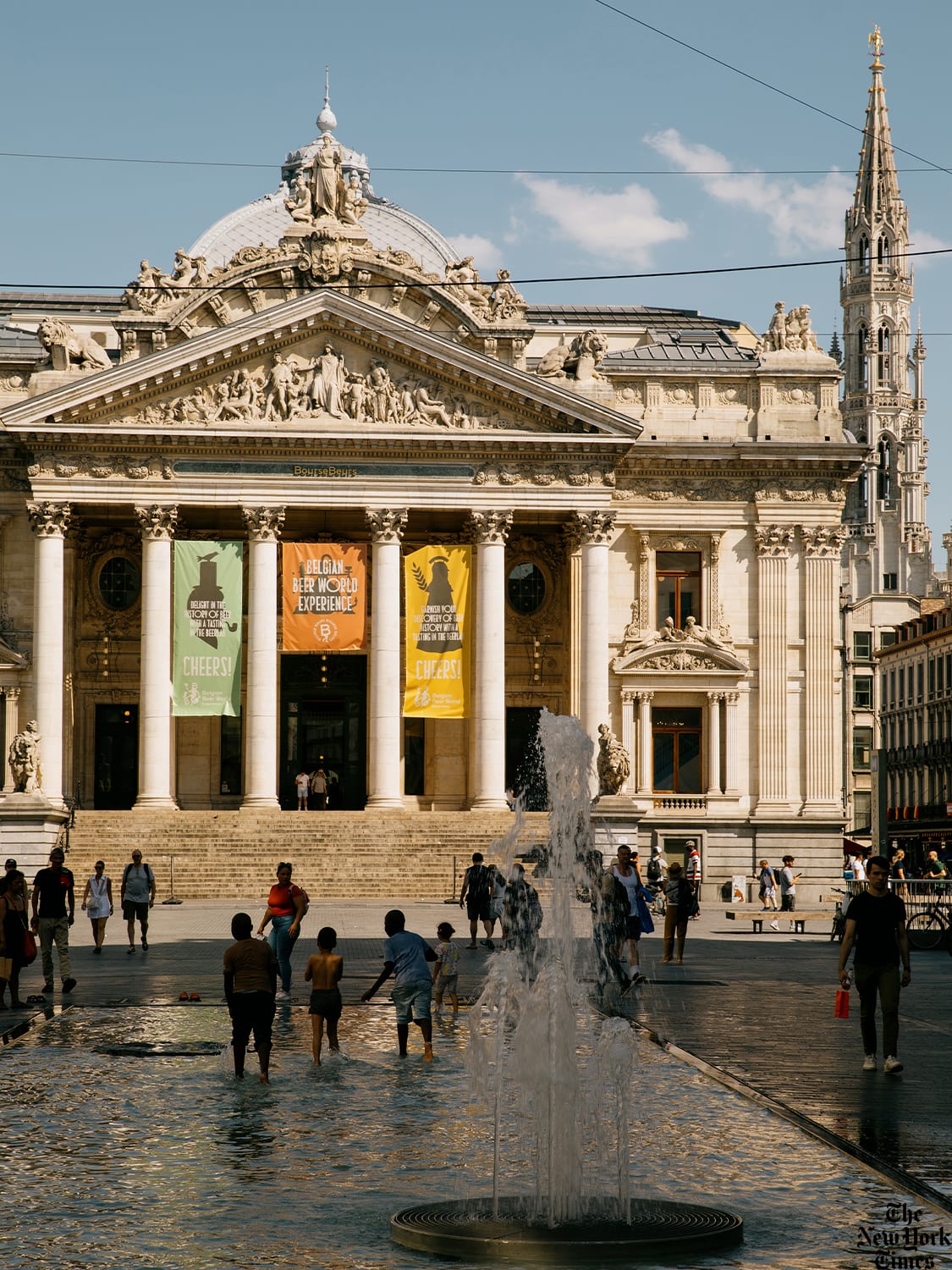
Get familiar with several of the city’s big pluses — amazing architecture, car-free zones, rich beer culture and a fun rooftop-drinks scene — in one place: The former stock exchange, or Bourse, which sat empty for most of a decade until Belgian Beer World opened here in 2023 (entry, €19.50, about US$22 or S$29). A ticket to the permanent exhibition on Belgium’s beer history gets you up close and personal with the beautifully restored 1873 building, including ornate plasterwork and sculptures that Auguste Rodin worked on as a young construction assistant. Each visit also includes a free beer from a list of about 150 at the building’s rooftop bar, the Beerlab, which also offers views over the former central automobile thoroughfare, Boulevard Anspach, now part of the central pedestrian area that recently expanded to become one of the largest in Europe.
6.30pm | Dine at a new classic
A popular destination for a night out, the bustling area around Place St. Catherine to the northwest is filled with an array of restaurants and cafes. One of the long-running favourites, Monk, made headlines in three languages when it closed down in early 2023. Six months later, the space reopened under new management as Billie, a nearly indistinguishable “brown bar” — a local term for a dive — serving a familiar menu of spaghetti Bolognese variations, from classic to vegan, in its backroom restaurant, with toppings that include hand-washed Orval monastery cheese (entrées, €10 to €19). As in its previous incarnation, the beer list includes rare bottles like Fontan-Elle Young & Wild gueuze, a gently acidic and highly complex local specialty; 10 excellent Belgian ales on draft; and a number of low- and no-alcohol options (beers, €3.60 to €35), with more bottles, drafts and other drinks available in the charming front bar.
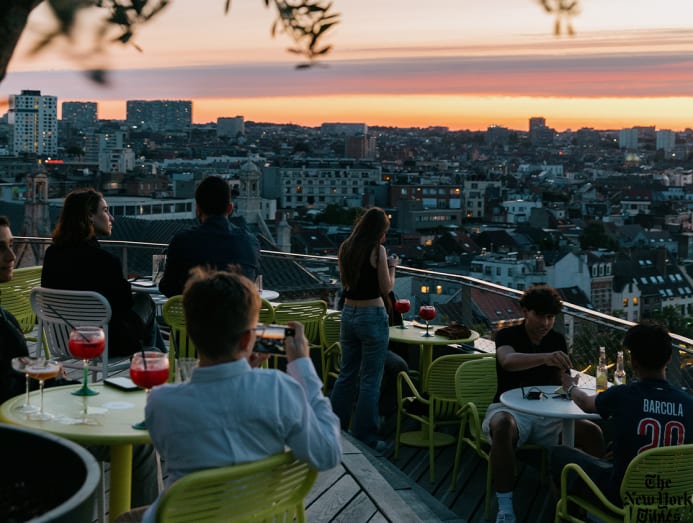
9pm | Party on the roof
SATURDAY
10am | Brunch across borders
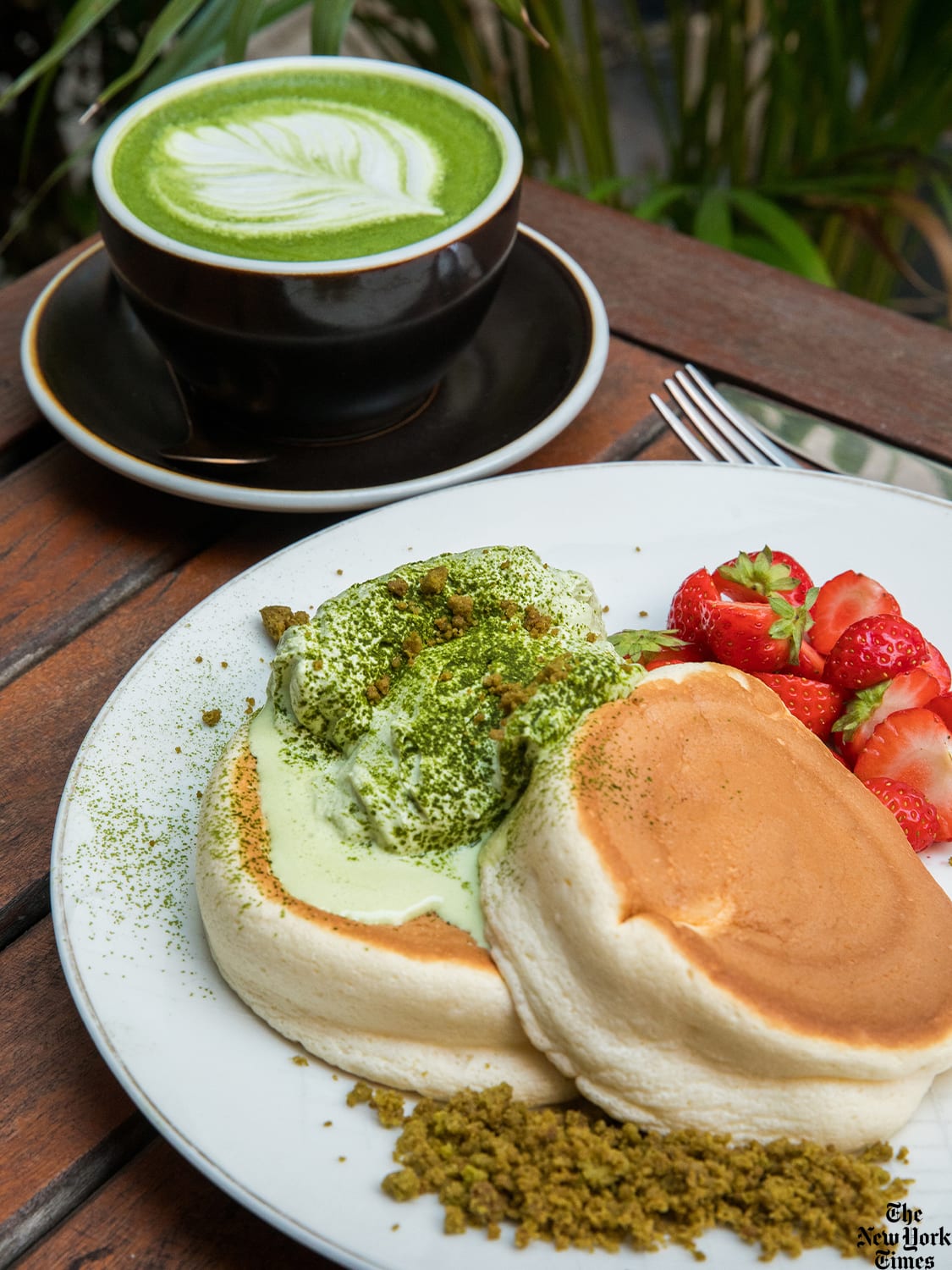
Enjoy a multicultural breakfast at the Louise district outpost of Kafei, a self-described Asian coffee shop with matcha lattes and other tea-based beverages, as well as high-grade coffee from the local roaster Wide Awake and souffle-like, Japanese-style fluffy pancakes, including tiramisu and matcha-strawberry variations. The brunch menu includes a fluffy pancake served with Canadian maple syrup, as well as apple juice, a hot drink of your choice and one of the hearty lunch plates. These include the excellent eggs Benedict served on whole-grain toast with thick slices of crispy, Chinese-style pork belly, topped with sesame seeds, micro-greens and a tangy miso-hollandaise sauce (€31.60). Since the first of its three locations launched in 2020, Kafei has become extremely popular; reservations are recommended.
11.30am | Step into a masterpiece
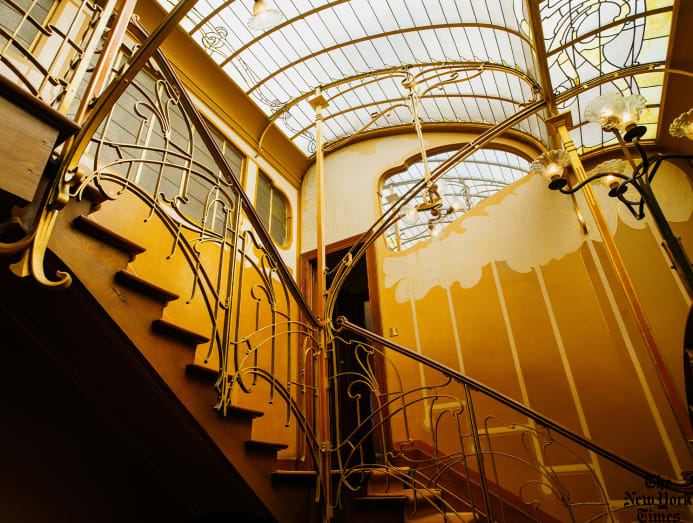
Once a ruin that temporarily served as a St. Gilles neighbourhood squat, the glorious villa known as Maison Hannon required years of reconstruction before it finally opened to the public as a permanent museum in mid-2023 (entry, €14). Built in 1904 as a one-off attempt at Art Nouveau by the architect Jules Brunfaut, the house showcases the glories of Art Nouveau residential architecture and symbolist design, including a massive allegorical fresco in the entry room, as well as ornate stained-glass windows, filigree railings and other decorative jewels. These make the home a rich complement for the creations of the style’s champion, Victor Horta, whose works are visible at the nearby Horta Museum. Due to the villa’s small footprint, entry is limited; time slots can be easily reserved online.
1pm | Shop for tasteful souvenirs
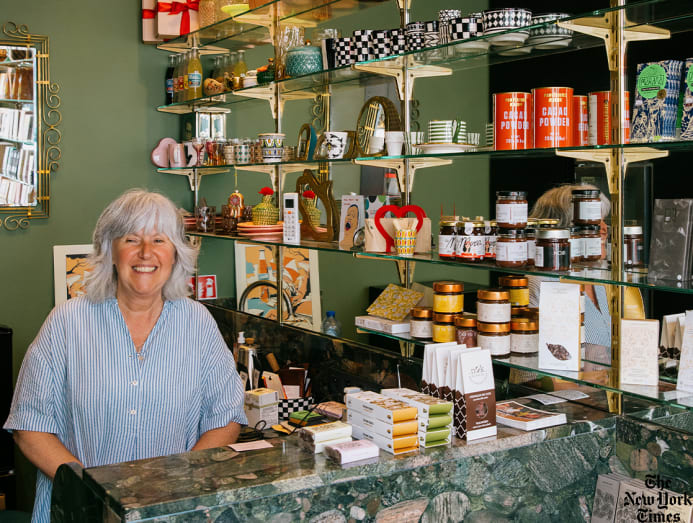
Belgium has long been famous for chocolate, though its artisanal, bean-to-bar producers are hard to find outside of small shops like Brigitte, just off Chaussee de Waterloo, about eight minutes away from Maison Hannon by foot. Consult with the owner, Brigitte Courbot, for personal recommendations, like a special-edition chocolate-sesame bar from the local producer Elsa (€10.50), or a single-origin Kerala chocolate bar from the Ghent maker Holy Cow (€8.50), among an array of other flavourful bars and pralines, all made from sustainable, responsibly sourced cacao. Afterward, walk one block down and just around the corner to Le Typographe, a chic stationery boutique with plenty of thoughtful gift and souvenir options, including its own line of letterpress greetings cards (€5.90), travellers’ notebooks (€6.50) and “I’m in Brussels” correspondence pads (€15.70).
2pm | Lunch at a local champion
The St. Gilles neighbourhood burger joint Fernand Obb, which opened in 2018, won awards for the best shrimp croquette in Brussels during its first two years of operation. Sample a crunchy-on-the-outside, gooey-on-the-inside, shrimp-filled delicacy as a starter (€9), followed by a Diable burger, which is topped with caramelised onions and chili sauce (€14) or a traditional grilled fricadelle, a beef and chicken mincemeat sausage (€6.50), all of which pair perfectly with an eye-openingly tart Cantillon gueuze beer (€9). Don’t miss out on the crowd-favourite potato gaufrites, in which the country’s beloved fries, a.k.a. frites, are shaped like a Belgian waffle, or gaufre, creating a crispy, deep-fried savoury side dish that is every bit as ridiculous and delicious as it sounds (€5.50).
4pm | Experience contemporary art
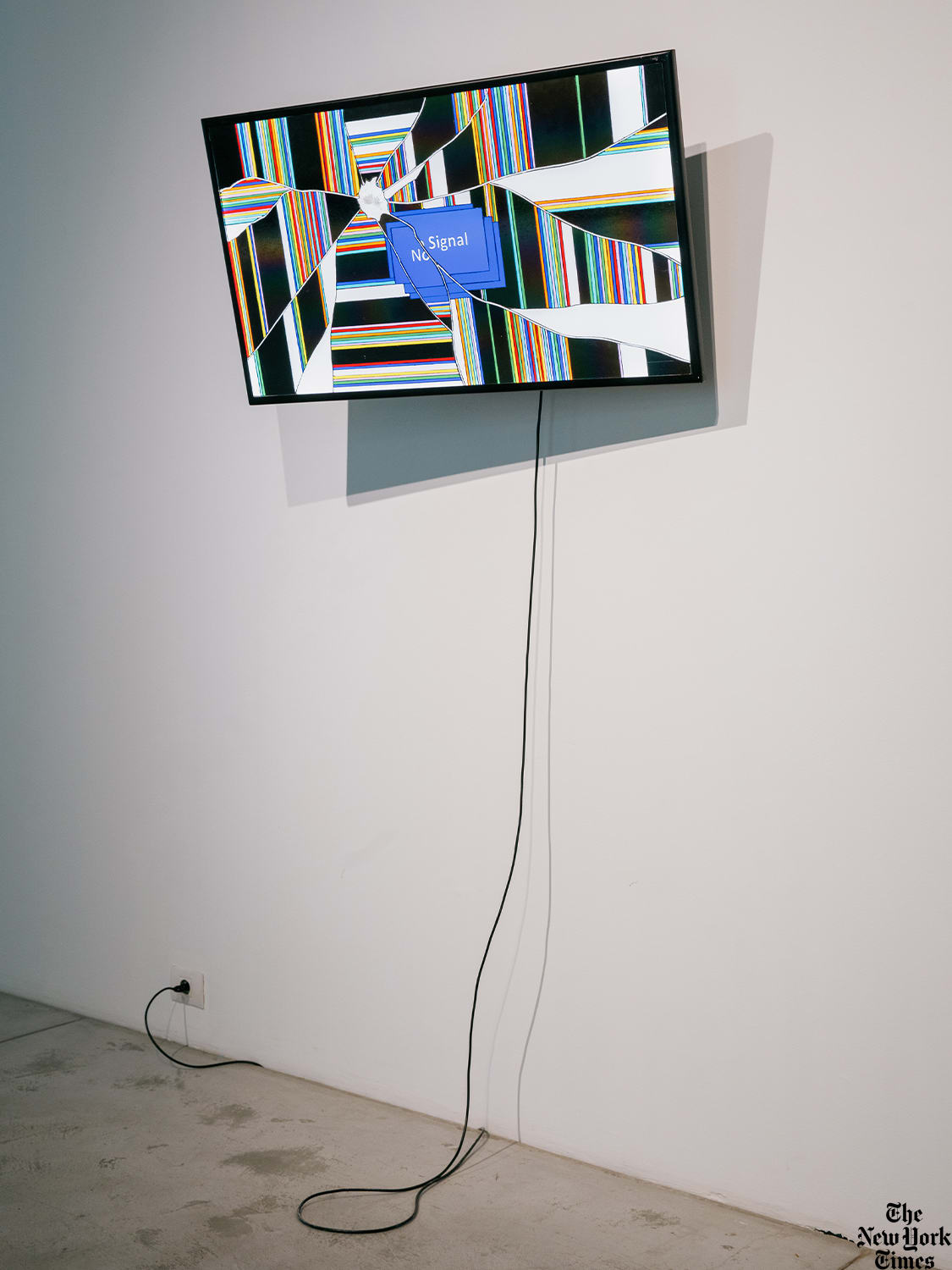
Three of the city’s best contemporary art galleries recently moved to new spaces south of the Louise subway station. Start at Galerie La Forest Divonne, which focuses on living artists like the Belgian-based American artist Jeff Kowatch, who showed here this spring. A few minutes away, the playful Alice Gallery occupies a light-filled space formerly held by the influential Baronian gallery, which closed in December. Finally, a quick tram ride to the Legrand station will take you to the new location of LMNO, spread across two historic pavilions at the entrance to sprawling Bois de la Cambre park, which focuses on artists working across science and the arts, often on environmental and social themes. A not-to-be-missed experiment from the artist Adrian Lucca involving light and living plants should occupy the gallery’s basement space over the next year. Since European galleries often take breaks over the summer, it’s recommended to email or call to make sure they’re open.
7pm | Sample the classics
For 20 years, Christophe Hardiquest’s Bon Bon brasserie defined upscale Belgian recipes, earning two Michelin stars before the chef closed it in early 2022. At the end of 2024, he launched his follow-up, le Petit Bon Bon, once again bringing brasserie fare and fine dining with dishes like the North Sea crab gratin — a fondue-like starter redolent of ginger and leeks (€30) — and a flaky cod filet entree served a l’Ostendaise, in a chowder-like gravy filled with tiny shrimp and mussels (€35). Despite the relatively informal setting, service is polished and attention to detail is evident throughout: You’ll get (amazing) frites with your main course, but the mustard-inflected mayonnaise accompanying them is made in-house, and the drinks menu includes bucket-list beers like Brasserie de la Senne’s Saison Brett (bottles, €8) and Het Boerenerf’s Symbiose, a gently tart blend of lambic beer, cider and mead (by the glass, €9).
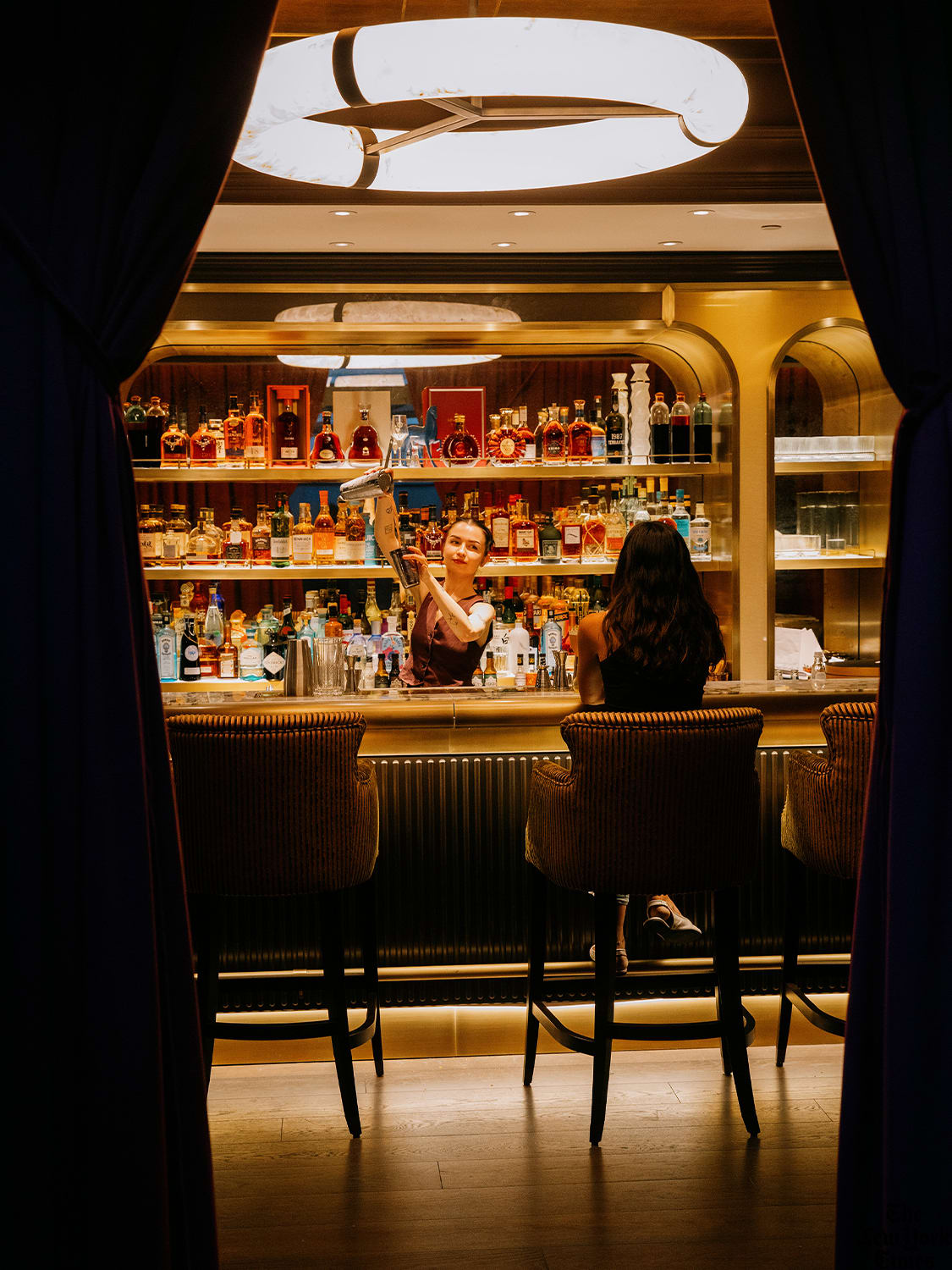
9.30pm | Mix drinks with pleasure
WHERE TO STAY
- The city has gained several important hotels in recent years. At the top is the Corinthia Grand Hotel Astoria Brussels, which last year opened its 126 luxury rooms and suites, as well as the city’s most decadent spa, in an Art Nouveau palace from 1910. Double rooms start around €560, or about US$660.
- In May, the upscale Standard chain opened the 200 rooms and suites of its Brussels location among the skyscrapers and boulevards of the Northern Quarter. With breakfast, double rooms start around €200 per night.
- Craves, a boutique hotel in a historic building right off Grand-Place, opened its 75 rooms (with interiors by the London design studio Saar Zafrir) in 2022. Rooms start around €130 per night with breakfast.
- A charming neighbourhood for short-term apartment rentals is St. Gilles, home to some great cafes, galleries and cosy restaurants.
SUNDAY
9am | Take coffee exploring
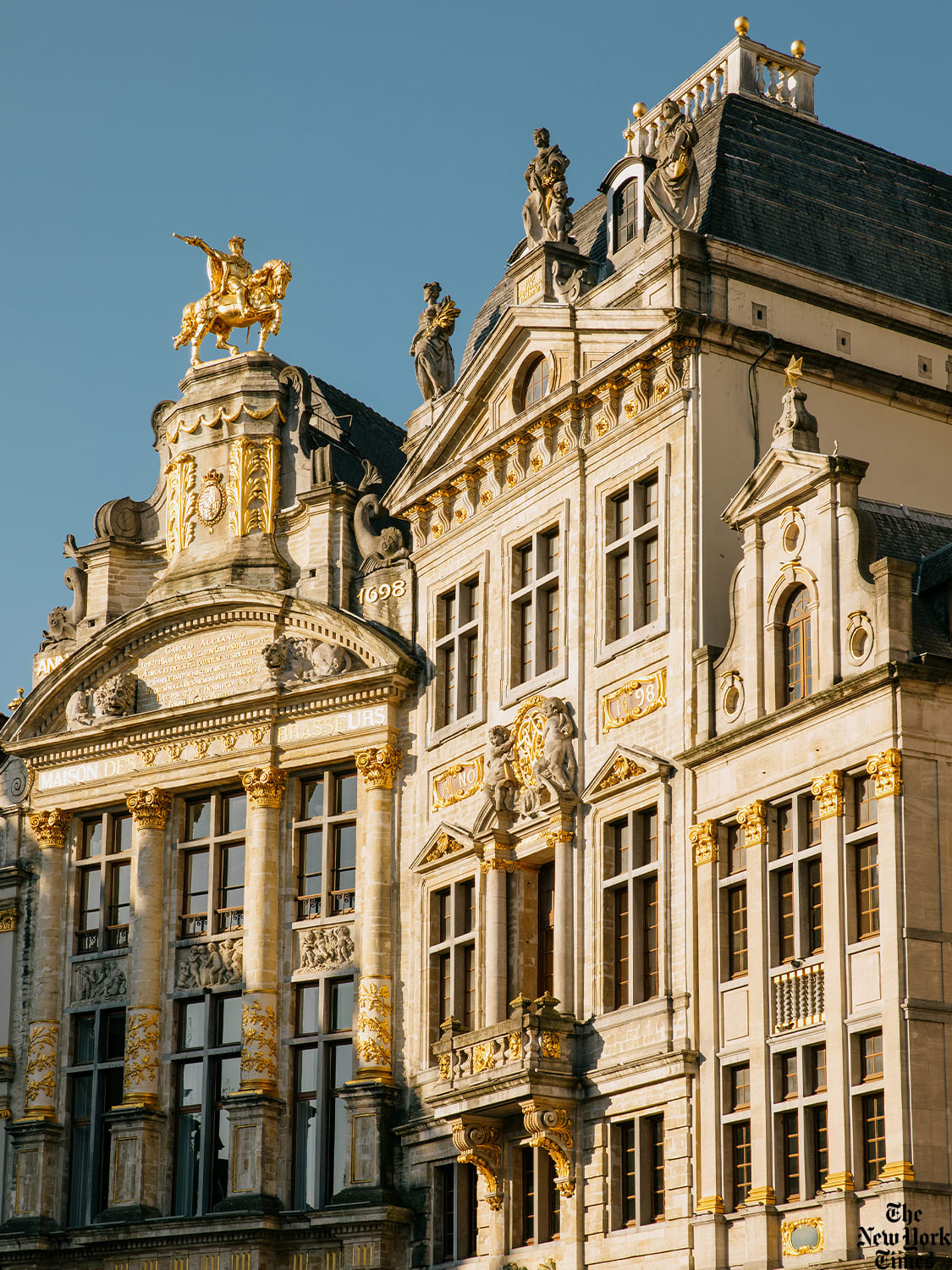
The city centre has a beautiful calm on Sunday mornings. Get started with a takeout coffee or matcha from Izy Coffee, a sustainability-focused local chain that offers plant-based milk, vegan pastries and recyclable cups (drinks, €3 to €8). Or if real milk and lots of butter is more your thing, grab a coffee (€3 to €5) and a fluffy cramique, or brioche (€3), at one of the two branches of Aux Merveilleux de Fred and head out to explore the labyrinth of streets around the Grand-Place, the city’s main square, lined with its ornate, Baroque-era guild houses, as well as the old City Hall and the King’s House. You’ll get the best snapshots of the historic buildings and the narrow pedestrian lanes in the early light, especially if you arrive before most tourists get there.
10.30am | Hang out with history and culture
Look for loot and get a glimpse of life in the historic Marolles district south of the city centre, once famous for the increasingly rare local dialect, Brusseleer, a.k.a. Brusselian. Start out at the flea market at Place du Jeu de Balle, said to have started in 1873, where you’ll find more than 300 stands selling everything from vinyl records to Limoges china sets, brass candlesticks and leather jackets, all with wildly varying prices that are generally open to counter-offers. The surrounding neighbourhood is home to dozens of colourful cafes and bistros, like le Chaff, where you can fuel up with a cafe au lait (€2.90) or even grab the quiche of the day with salad (€12.50) or another quick lunch while checking the list of upcoming post-punk and indie concerts that occasionally take place here in the evening. On your way to the metro, stop by Art et Marges, which doesn’t look like much from the outside but is a surprisingly good museum focusing on outsider and self-taught artists (entry, €6).
12pm | Spend time with a surreal one
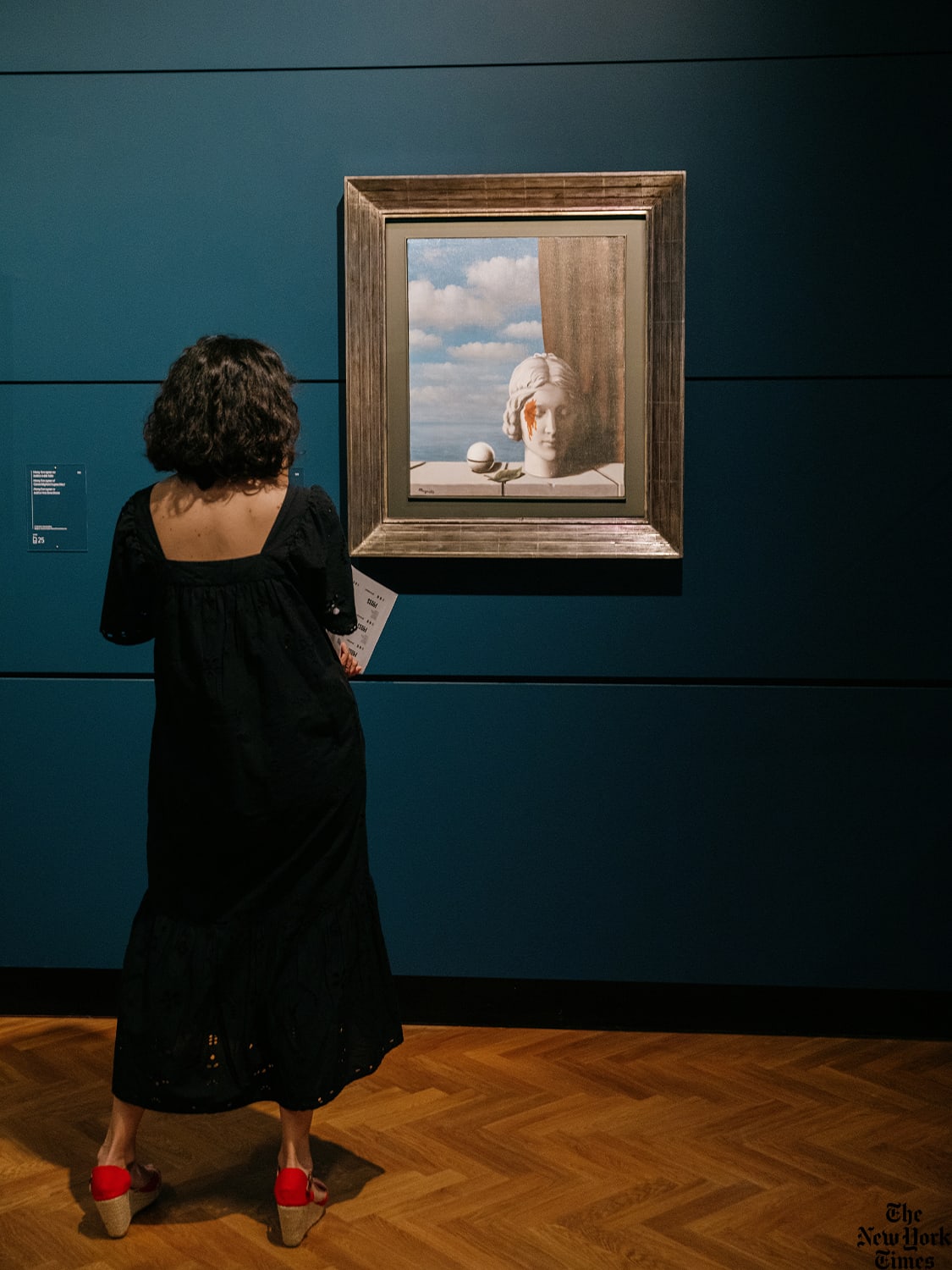
Two years ago, the Royal Museums of Fine Arts of Belgium reopened its flagship Magritte Museum after six months of renovations, adding 29 works and a giant green apple atop the building to celebrate what would have been Rene Magritte’s 125th birthday (entry, €15). Inside the multi-level space you’ll find installations dedicated to the great surrealist’s life and work, including early sketches, studies and advertising work, as well as many of his most famous paintings, including “The Treachery of Images” (a.k.a. “This is not a pipe”), and deeper cuts like 1924’s “Untitled [A Box at the Theatre].” Afterward, use that same ticket to visit the attached Old Masters Museum, where four centuries of masterpieces by Pieter Bruegel the Elder, Rubens and the Pieter Bout School should help you recover your sense of reality.
By Evan Rail © The New York Times
This article originally appeared in The New York Times