What makes Netflix’s One Piece live-action series a great manga adaptation, even with its flaws
After being disappointed by a lot of anime live-action adaptations, this One Piece fan was both extremely nervous and excited when she heard that Netflix was going to adapt the iconic anime by Eiichiro Oda. After bingeing it in one night, she was very pleasantly surprised. You have been warned, spoilers ahead!
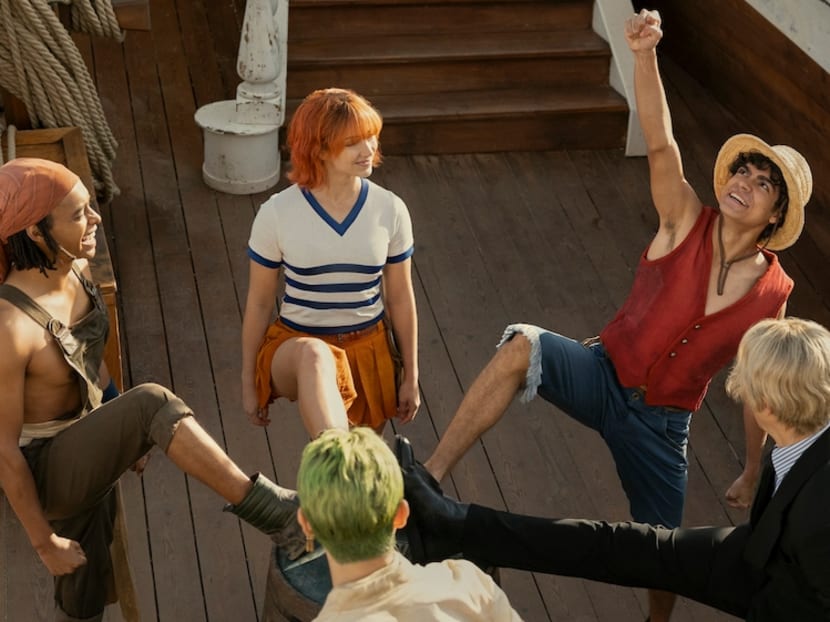
Netflix took on the challenging task of adapting the popular anime One Piece, and succeeded. (Photo: Netflix)


When anime and manga fans learn about a series getting a live-action adaptation, they either feel intense excitement or deep dread. And often, it’s the latter.
Who can blame them? After seeing 20th Century Fox’s Dragonball Evolution in 2009, Netflix’s Death Note in 2017, and the most recent Netflix’s Cowboy Bebop in 2021, there is usually little hope for adaptations of anime that feature characters and segments that are mostly larger-than-life and otherworldly.
(For the unfamiliar, manga refers to comic books or graphic novels, whereas anime refers to TV shows and movies. Many anime take inspiration from the original manga, but not all manga are adapted into anime, and not all anime are derived from manga sources.)
So when it was announced that One Piece, one of my most beloved series of all time, was going to be next, my heart dropped. “Are they going to butcher this classic manga, too?” I immediately thought.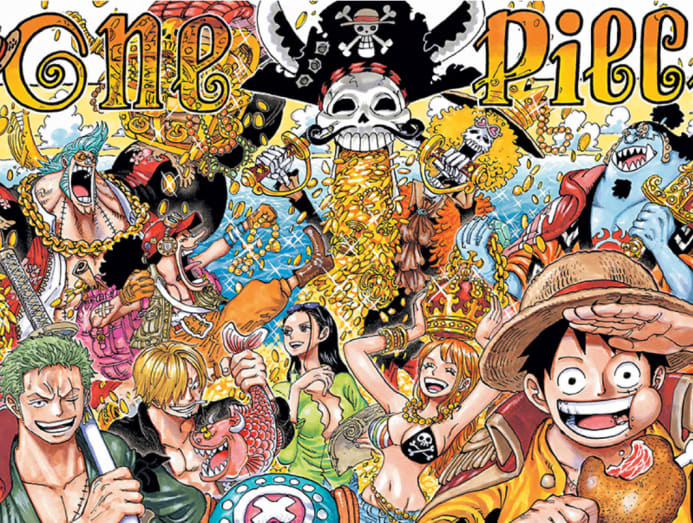
Adapting Eiichiro Oda’s manga is no easy feat. The enduring story has been going on for more than two decades (and counting!). It follows Luffy and his Straw Hat crew, whose members include Zoro, Nami, Usopp and Sanji, exploring the ocean to find a treasure called the One Piece.
As they go along their adventure, they come across worlds of anthropomorphic animals and islands in the sky and other creatures like Fish-Men and Cyborgs.
It was tough to imagine an actor playing Luffy – who stretches as far as he can to deliver his punches – without looking cheesy.
But after I watched the promising trailer and found out about Oda’s heavy involvement in the production and that the adaptation’s showrunners, Matt Owens and Steven Maeda, are huge fans of the original story, I started to have hope.
So on Aug 31, the release date of the adaptation in Singapore, I wasted no time. In one evening, I binged all eight episodes of the show (and told myself I’d deal with the consequences of staying up so late on a work night later).
Needless to say, I was very impressed.
WHAT MAKES A LIVE-ACTION ADAPTION GOOD (OR BAD)?
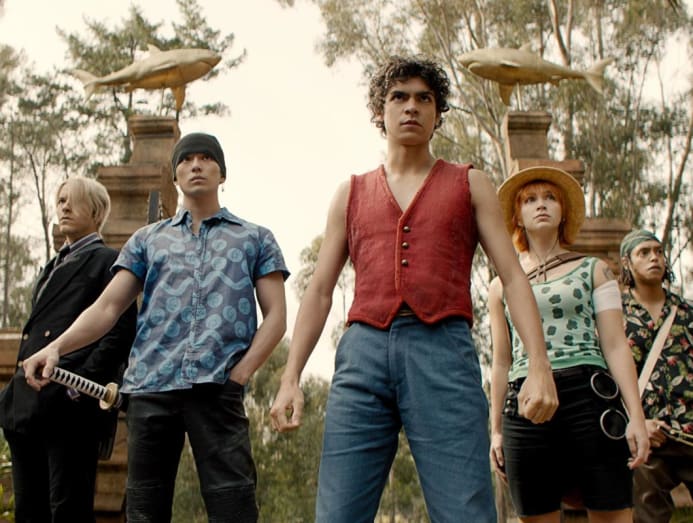
What makes the adaptation of One Piece so good?
Well, after seeing my fair share of adaptations, it all boils down to three aspects: Respect and love for the source material, thoughtful casting decisions, and meaningful creative liberties. In the case of One Piece, the adaptation had all three.
Live-action adaptations bring a story that’s originally from another medium, such as books or comics, to life using actors, sets, and props for a realistic portrayal.
Popular examples include Disney’s The Avengers movies adapted from the comics by Stan Lee and Warner Bros Pictures’ Harry Potter films adapted from the books of JK Rowling. And I know what I said about manga adaptations being mostly bad, but a few good ones do exist, like Netflix’s Alice In Borderland which was adapted from the manga by Haro Aso.
While the original story is already exciting, there is anticipation and wonder in the ability to see it visually translated on the big screen.
So though Hollywood’s thirst for the latest adaptation has received a lot of criticism, as a lover of film, books, manga and anime, I actually welcome adaptations – as long as they're done well.
1. RESPECT AND LOVE FOR THE SOURCE MATERIAL
This is the number one rule: Having respect for the story.
When a remake is crafted with care and appreciation for the source material, it can breathe new life into the beloved story. The new medium can elevate the existing characters and worlds through real actors and sets and offers fans a fresh perspective on a story that’s already close to them.
Respect also instils a drive to ensure that the delivery is done well. This reverence shows up in One Piece through all the details and easter eggs found in the series for fans to enjoy.
From the intricate set designs of iconic scenes at the Baratie, a restaurant in the middle of the ocean, to the well-choreographed fight scenes between characters like Pirate Hunter Zoro and Dracule Mihawk, almost every aspect of the show is respectfully crafted to provide an exceptional viewing experience.
Whether you're a long-time fan or new to the story, there's something to look forward to.
And when there is respect, the other two aspects – meaningful casting choices and creative liberties – will follow suit naturally.
2. THOUGHTFUL CASTING DECISIONS
Casting choices aren’t just about choosing people with a physical resemblance to the original character; it's about finding an actor who can embody the character's personality and quirks and bring a more authentic portrayal to life effectively.
When I saw 20-year-old Mexican actor Iñaki Godoy play Luffy, I couldn’t be any more in awe. Not only does Godoy look like Luffy with his large eyes and cheeky grin, but he also shares Luffy’s infectious energy and humour as the resilient, lovable, aloof and adventurous main character.
The actor for Black Leg Sanji, Taz Skylar, was also one of my personal favourites. The 27-year-old English-Spanish actor played a member of Luffy’s Straw Hat pirate crew whose speciality lies in his kicking abilities.
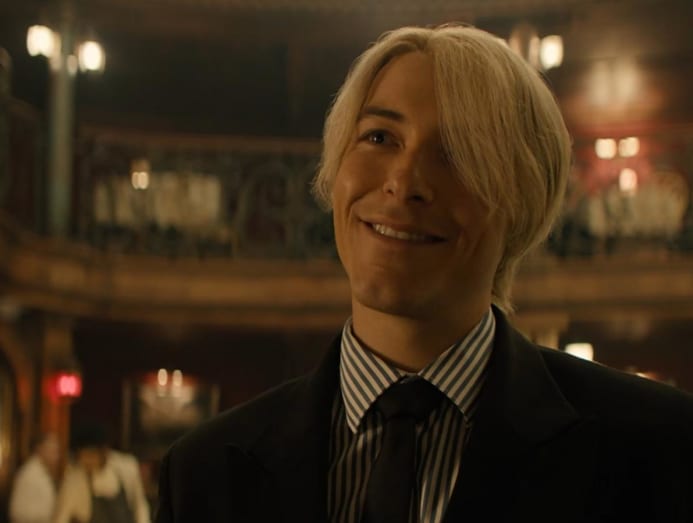
His physical resemblance is one thing, but the dedication to depicting Sanji’s quirks – flirtiness, wit, and cooking skills – was on a whole other level.
The rest of the main and supporting cast members did not disappoint either. American actor Jeff Ward brought a lively energy to play Buggy the Clown, a comical villain in the East Blue, and the American-Dominican actress Ilia Isorelýs Paulino played the terrorising pirate Alvida so well.
3. MEANINGFUL CREATIVE LIBERTIES
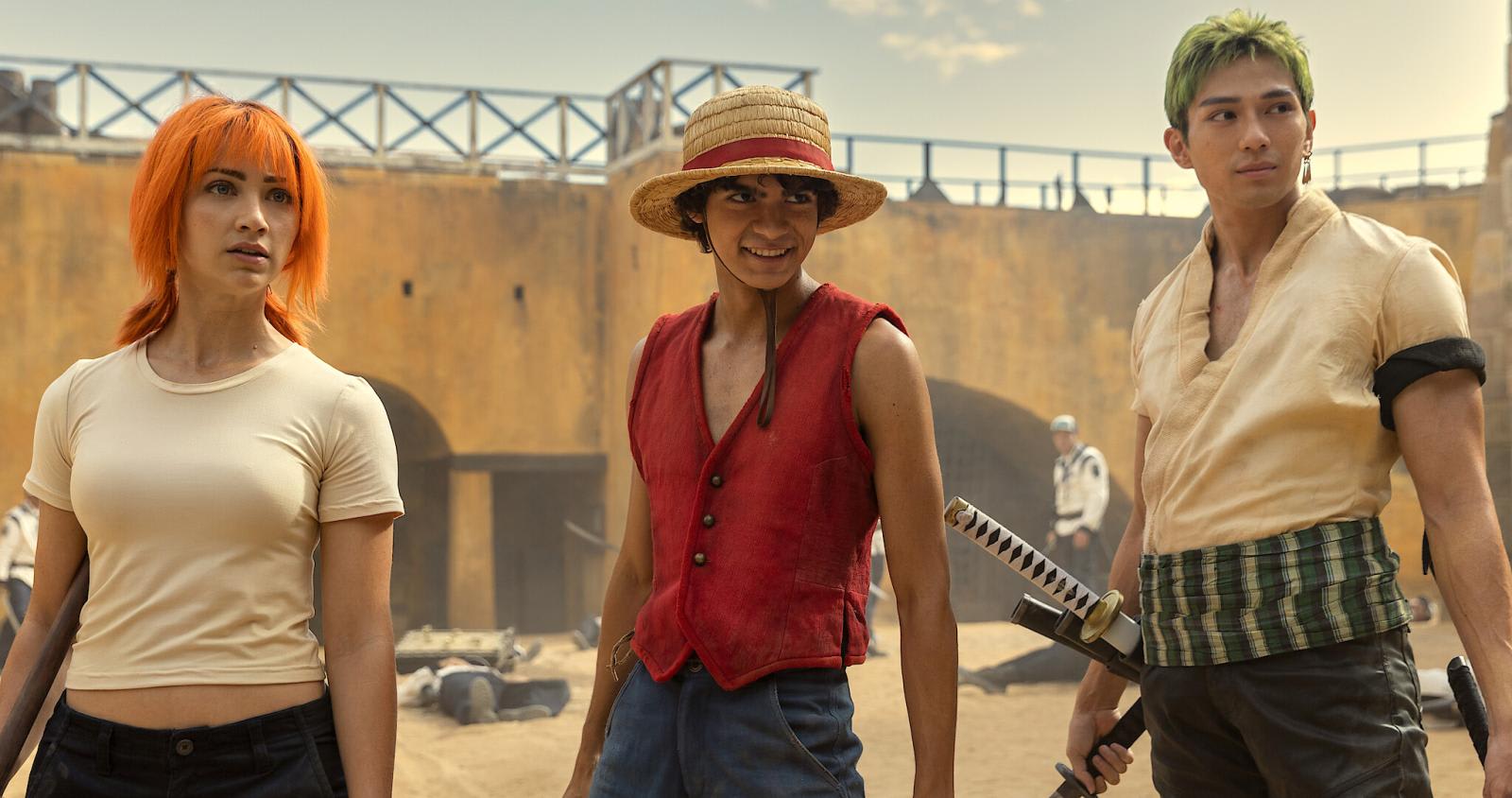
Taking meaningful creative liberties means making changes that retain the essence of the plot and story when adapting it to another medium. Most of the iconic scenes, like Zoro’s declaration of loyalty to Luffy and Luffy passing Nami his beloved straw hat before he helps her, remained.
Some deviations from the original plot, like the new introduction of the character Garp and the removal of Hatchan from Arlong's crew, did raise eyebrows (mine included). But these changes provided a fresh perspective on the story.
All things – budget, time constraints, practicality – considered, most of the changes made sense and more importantly, weren't so drastic that it made me feel like I was watching a whole other story entirely

ULTIMATELY, THE NETFLIX ADAPTATION KEPT THE HEART OF THE SHOW
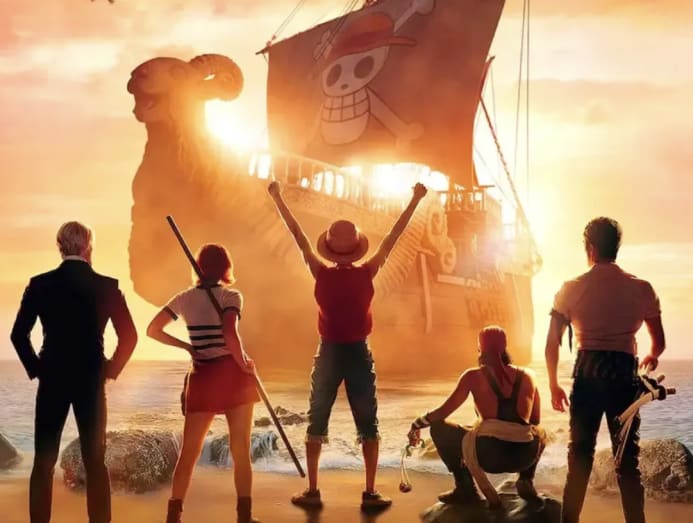
Of course, like all else, the adaptation is not without its flaws.
The acting in some scenes was a little awkward and while I understand the difficulty of condensing dozens of anime episodes into eight in one live-action season, the pacing of the story could have been better too. Some parts felt rushed whereas others felt like they dragged for too long.
But overall, I am charmed by how the show maintained the heart of One Piece.
I first got into One Piece at the age of 11, and what pulled me in and got me sticking around for 16 years is the way the story explores the universal themes of freedom, values, friendship and adventure.
Luffy’s persistence and “never give up” attitude are traits that I’ve resonated with at different stages of my life, from when I was a naive primary school kid to a working adult today.
Watching the live-action series brought me back to when I first read the manga in the public library, where I could escape into the world of good pirates and their adventures and get goosebumps reading about the pirate crew's triumphs and struggles.
It was a fun and nostalgic experience to be able to go through One Piece again in a different format and laugh along with its humour while appreciating its exploration of serious topics like betrayal and abuse.
Here’s to getting a sustained or improved second season, and witnessing the show continue the characters' adventure to the Grand Line and beyond.