Hand-Massaged Melons, Kawaii Kumquats & Other Japanese Fruits We Wait All Year To Eat
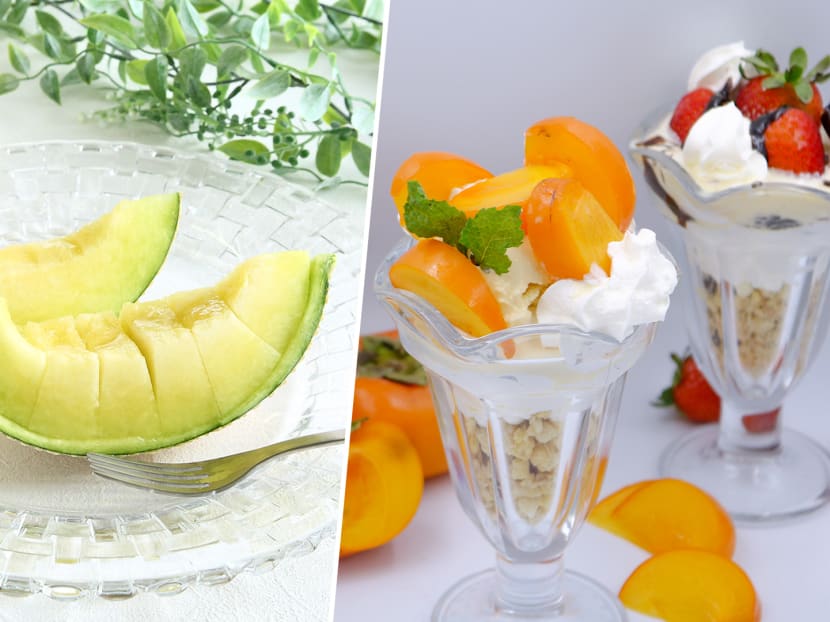
From Yubari King melons that sell for upwards of $30K to Ruby Roman grapes that cost $100 a pop, Japan is known for producing some of the world’s most expensive fruits. While these are extreme examples, carefully cultivated fruit has always been an integral part of Japanese culture. In Japan, fruits are not just a snack – they can be a work of art, a luxury symbol or a meaningful gift. Every piece of produce is a testament to the patience and dedication of Japanese farmers.
Even the more affordable options are treated to a high standard of pampering, from wrapping each fruit in a paper bag to putting a special hat on them to prevent sunburn (cute!). These painstaking processes result in produce that not only looks stunning but tastes exceptional as well. Here are six Japanese fruits that are worth marking your calendars for.
No part of this story or photos can be reproduced without permission from 8days.sg.
1. Crown Melon

Availability: May – July
Here’s what it takes to grow one of most pampered fruits in Japan: Crown melons are massaged daily with gloved hands for 100 days to stimulate even growth and sweetness, and on hot days, each fruit even gets a tiny hat to prevent sunburn. The farmers also only allow one melon to grow per stalk so it can receive all the nutrients. Naturally, the price tag reflects the meticulous processes required to grow the prized fruit — expect to pay at least $100 for one. The taste, however, transcends the hefty cost. It’s intensely sweet, but not cloying. And so juicy. The melon’s texture is incredibly smooth, tender and velvety, and carries an alluring perfume that leaves you counting down to next year’s harvest.
2. Akizuki Pear

Availability: September – February
Unlike western pears with their classic hourglass shape, Japanese pears are round like apples and have crispier, juicier flesh. Due to its long history of cultivation, there are thousands of varieties of Japanese pears. Our favourite is the Akizuki, a hybrid pear. Priced from $20 each, these golden pears retain their crispness and do not soften during storage. While their superb sweetness is delightful, we especially enjoy the pear’s slightly grainy, melt-in-your-mouth texture that gradually reveals a mild floral fragrance.
3. Tamatama Kinkan

Availability: January – March
The first time we had a tamatama kinkan, a premium kumquat, our Japanese host urged us to enjoy the fruit whole – skin and all. Slightly sceptical, we popped the adorable petite citrus into our mouth and were rewarded with sweet, tangy juice from its luscious flesh and a delicate floral aroma from the smooth, thin peel, which was surprisingly not bitter at all. These orange orbs have to be fully ripened on the tree for over 200 days after flowering and those meeting a strict size and sweetness criteria receive an ‘excellent’ label. Available in the first few months of the year, these auspicious-looking fruits have become our go-to citrus for the Chinese New Year season.
4. White Peach

Availability: June – September
Delicate white peaches are individually wrapped with paper bags to protect them from pests and to encourage the flesh to grow pale and sweet. Upon ripening, every peach is harvested and packed by hand to avoid bruising. The result? An irresistible fruit that’s plumper, sweeter, more flavourful, juicier and less acidic than other varieties. Its smooth, hardly fibrous texture makes biting into a white peach, usually priced from $10 apiece at supermarkets, feel like a true indulgence.
5. Beni Hoppe Strawberry

Availability: January – May
While picture-perfect strawberries are often considered a luxury gift in Japan — a single Bijin-Hime strawberry previously fetched around $480 at an auction — there are many other tasty varieties of Japanese strawberries that won’t break the bank. Our top pick is the Beni Hoppe, which offers well-balanced sweetness and tartness at a more accessible price point (you can usually get a punnet at FairPrice supermarkets for under $20). Its bright red appearance and equally vibrant flesh also make this luscious fruit an absolute joy to savour.
6. Shine Muscat Grape

Availability: September – October
Shine muscat grapes are like little globes of green heaven. Bursting with rich, sugary juice, they’re incredibly aromatic and have a distinct floral fragrance that sets them apart from other varieties. Farmers typically prune each bunch of 100 grapes down to 30 pieces before harvest to ensure that every seedless orb tastes amazing. At $30 for 500g, it’s also one of the most affordable yet sweetest varieties of Japanese grapes you can find in supermarkets.
Look for the “Japan-Grown Fruit” label at FairPrice supermakets

For those who want to bring the taste of Japan home, keep an eye out for the “Japan-Grown Fruit” label when you’re shopping at selected FairPrice supermarkets. Issued by the Ministry of Agriculture, Forestry and Fisheries in Japan, the label ensures that the fruit you’re purchasing meets the country’s high standards. Happy shopping!
Gourmet fruit-based creations
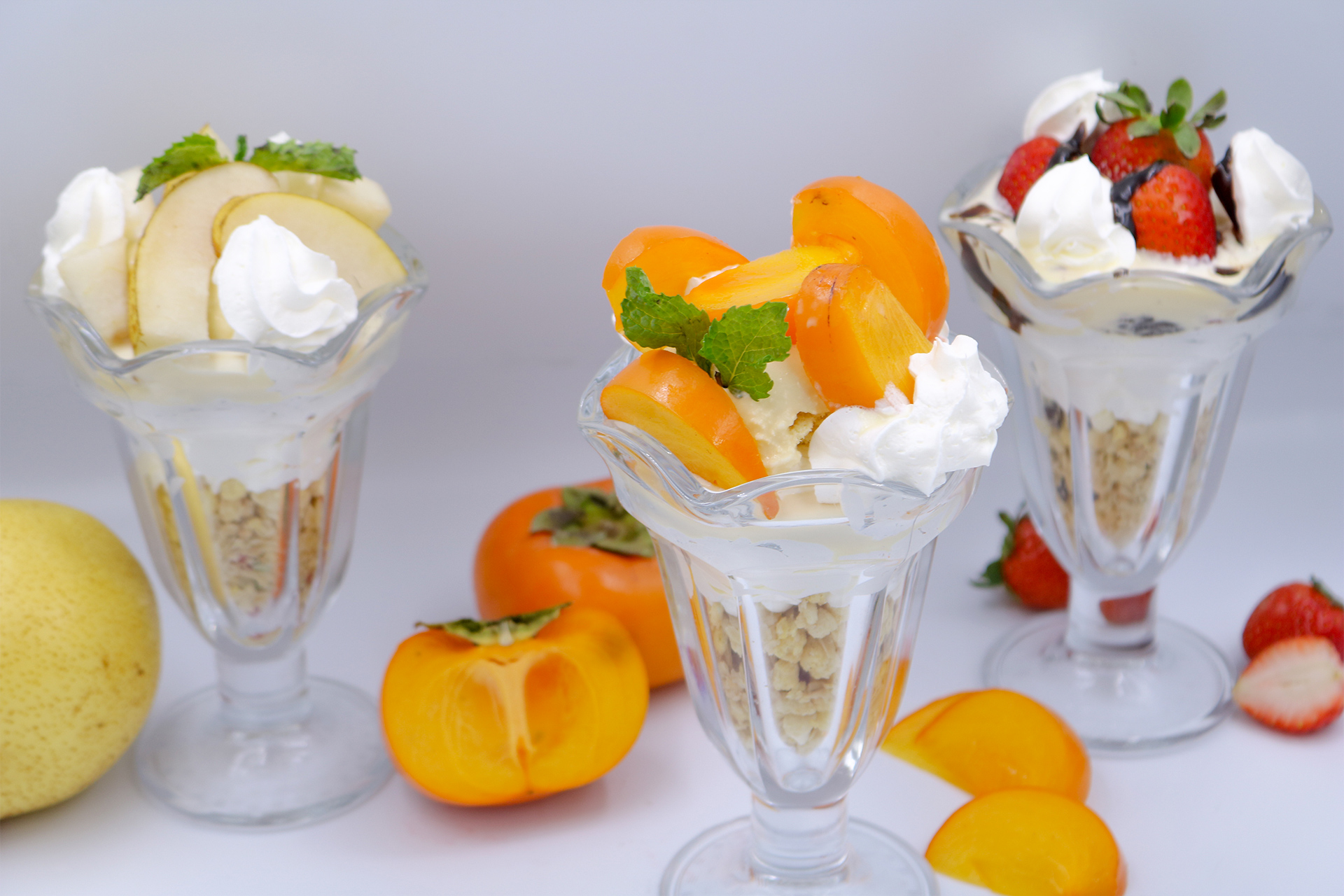
Want to savour premium Japanese fruits without paying hundreds of dollars? Japan Rail Cafe has a rotating menu that showcases seasonal fruits at affordable prices.

Current offerings include persimmon, strawberry and pear parfait, as well as strawberry crepe.

Explore the seasonal Japanese fruit-infused menu at Japan Rail Cafe – more offerings will be available at other restaurants and patisseries soon. Japan Rail Cafe is located at #01-20 Guoco Tower, 5 Wallich St, S078883. Open Mon to Thu 11am – 9pm, Fri & Sat 11am – 9.30pm & Sun 11am – 8pm.